

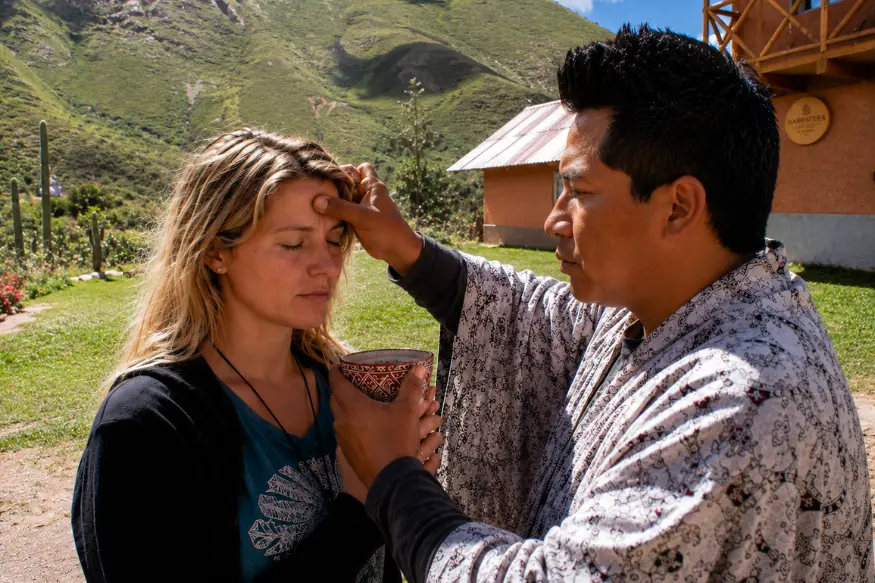
What Does It Mean to Prepare for a Wachuma Ceremony?
Preparing for a Wachuma ceremony is about more than deciding what to pack or what to eat before the experience. It also means taking time to understand the medicine, caring for your physical well-being, and approaching the ceremony with realistic expectations. While every retreat has its own recommendations, arriving informed and prepared can help you feel more comfortable throughout the day.
Many first-time participants wonder if they need to follow a special diet, stop taking medications, or prepare mentally beforehand. These are all valid questions, and the answers often depend on your health, the retreat center, and the facilitator leading the ceremony. Knowing what to expect in advance allows you to focus on the experience instead of worrying about the unknown.
One of the best ways to prepare is to understand what Wachuma is before attending a ceremony. Learning about its traditional use, how ceremonies are typically conducted, and what participants commonly experience can help you approach the experience with realistic expectations instead of relying on stories found online.
If you’re completely new to this medicine, we recommend reading our What Is Wachuma? guide before continuing. It provides a complete introduction to the history of Wachuma, its traditional use in the Andes, the effects it may produce, and what you can generally expect during a ceremony. Having this foundation will make the preparation process much easier to understand.

Follow Your Retreat Center’s Preparation Guidelines
Once you’ve chosen a retreat, the most important preparation advice comes from the facilitators leading your ceremony. Every retreat center has its own approach, so the instructions you receive may vary depending on the location, schedule, and traditions they follow.
You may be asked to make small adjustments before your arrival, such as staying hydrated, eating lighter meals, or avoiding certain substances. Some retreats also include a health questionnaire to better understand each participant’s medical history and ensure the experience is appropriate for them.
If anything is unclear, don’t hesitate to ask questions before the ceremony. A responsible retreat center will always be willing to explain the preparation process and help you feel confident before participating.
Prepare Your Body Before the Ceremony
Preparing your body doesn’t usually require major changes, but adopting a few healthy habits before the ceremony can help you feel more comfortable throughout the experience. Since many Wachuma ceremonies last several hours and are often held outdoors, arriving well-rested and properly hydrated is a good place to start.
Many facilitators recommend eating fresh, balanced meals in the days leading up to the ceremony. The goal isn’t to follow a strict diet but to avoid foods that may leave you feeling heavy or uncomfortable. It’s also common to reduce or avoid alcohol, recreational drugs, highly processed foods, and very large meals before participating.
Always follow the recommendations provided by your retreat center, as preparation guidelines may vary. Their advice is based on the structure of the ceremony and the needs of the group, making it the most reliable guidance to follow.
Should You Stop Taking Medications Before a Wachuma Ceremony?
If you take prescription medication, never stop taking it on your own simply to attend a Wachuma ceremony. Instead, let your retreat center know about any medications, supplements, or medical conditions during the booking process so they can determine whether additional precautions are necessary.
Responsible retreat centers typically conduct a health screening before confirming a reservation. This helps identify situations where participation may not be recommended or where it’s important to consult a healthcare professional first.
Prepare Your Mindset Before the Ceremony
Physical preparation is only one part of the process. Your mindset can also influence how you experience a Wachuma ceremony, which is why many facilitators encourage participants to slow down and take some time for personal reflection before the day arrives.
Rather than trying to control the experience or expecting a specific result, it’s often more helpful to approach the ceremony with curiosity and openness. Some people spend a few days journaling, meditating, or simply disconnecting from daily distractions. These practices aren’t required, but they can help you arrive feeling calmer and more present.
It’s also worth remembering that every ceremony is different. Some participants describe a deep emotional connection with nature, while others experience a quiet day of reflection. Allowing the experience to unfold naturally is usually more beneficial than comparing it to someone else’s story.
What Should You Bring to a Wachuma Ceremony?
Most Wachuma ceremonies take place outdoors, where weather conditions can change throughout the day. Bringing a few essential items can help you stay comfortable and focus on the experience rather than practical inconveniences.
While every retreat provides its own packing recommendations, it’s generally a good idea to bring comfortable layered clothing, walking shoes, a reusable water bottle, sunscreen, a hat, and a light rain jacket if you’re visiting during the rainy season. Many participants also like to carry a small journal to write down reflections after the ceremony.
There’s no need to overpack. In most cases, bringing only the essentials makes it easier to move around and enjoy the day without carrying unnecessary weight.
Understand Wachuma Safety Before Participating
Although Wachuma has been used in traditional Andean ceremonies for centuries, it’s important to remember that participating in any plant medicine ceremony should be approached responsibly. Choosing an experienced facilitator, being honest about your medical history, and following the preparation guidelines all contribute to a safer experience.
It’s equally important to understand that Wachuma is not suitable for everyone. Certain medical conditions, mental health concerns, or medications may require additional evaluation before participating. Being transparent with your retreat center helps them determine whether the ceremony is appropriate for you.
If you’d like to learn more, we recommend reading our guides on San Pedro Wachuma Safety & Risks and Wachuma Side Effects. They explain the most common physical and psychological effects, as well as practical recommendations for participating responsibly.
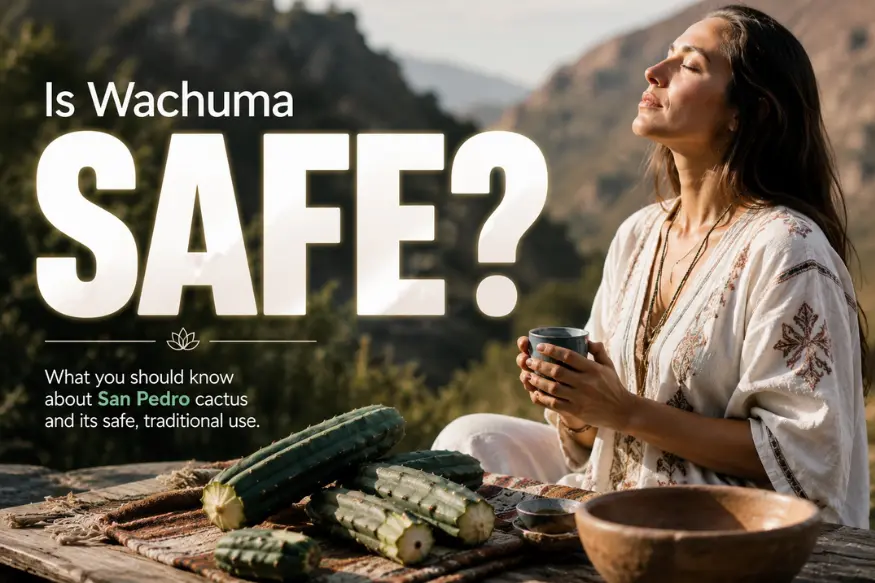
Avoid Alcohol and Recreational Drugs Before the Ceremony
Most retreat centers recommend avoiding alcohol and recreational drugs for a period before participating in a Wachuma ceremony. These substances can affect both your physical well-being and your ability to approach the experience with a clear and focused mindset.
While preparation guidelines vary between retreats, it’s common for facilitators to encourage participants to avoid alcohol, cannabis, cocaine, and other recreational substances in the days leading up to the ceremony. Following these recommendations helps create a safer environment and allows you to arrive feeling your best.
If you currently use recreational drugs or have questions about medications or other substances, it’s important to discuss them with your retreat center before participating. Honest communication allows facilitators to determine whether additional precautions are needed. For more information, see our guide on Wachuma Contraindications: Who Should Avoid San Pedro?
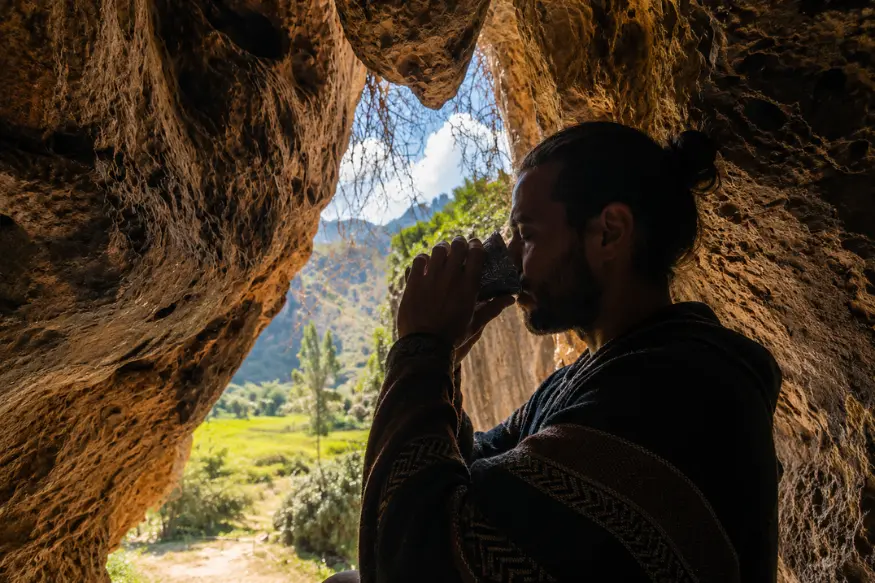
Choose a Responsible Retreat Center
Preparing for a Wachuma ceremony also means choosing where and with whom you’ll have the experience. Not all retreat centers follow the same practices, so taking a little time to research before booking is an important part of the preparation process.
A responsible retreat should be transparent about how its ceremonies are conducted, provide clear preparation guidelines, and ask about your medical history before confirming your participation. This screening process helps ensure that the ceremony is appropriate for each participant and creates a safer environment for the group.
You should also feel comfortable asking questions before booking. Learning about the facilitators, group size, setting, and level of support offered before, during, and after the ceremony can help you make a more informed decision.
Finding the Right Retreat for Your Experience
The best retreat depends on your personal goals, schedule, and previous experience with plant medicine. Some people prefer to begin with a single-day ceremony, while others choose a longer retreat that allows more time for preparation, reflection, and integration.
If you’re looking for a shorter introduction, our San Pedro Retreat 1 Day offers a guided ceremonial experience designed for travelers with limited time. Those who prefer a slower pace often choose the San Pedro Retreat 2 Days or San Pedro Retreat 3 Days, which include additional time to connect with nature and reflect on the experience.
For participants interested in experiencing both traditional medicines during the same journey, our Ayahuasca and San Pedro Retreat 3 Days and Ayahuasca and San Pedro Retreat 4 Days combine both ceremonies in a carefully planned program, with time for preparation and integration between experiences.
Frequently Asked Questions
How many days should I prepare before a Wachuma ceremony?
Most retreat centers recommend making small adjustments a few days before the ceremony. This may include eating lighter meals, staying well hydrated, avoiding alcohol, and getting enough sleep. Your facilitator will provide the preparation guidelines that are most appropriate for your retreat.
Can I eat before a Wachuma ceremony?
This depends on the recommendations of your retreat center. Some facilitators suggest eating a light meal before the ceremony, while others may recommend a different approach based on the schedule and activities planned for the day. Always follow the instructions provided by your facilitator.
Can I drink coffee before a Wachuma ceremony?
Preparation guidelines vary between retreats. Some facilitators recommend limiting caffeine before the ceremony, while others may allow moderate consumption. If you’re unsure, it’s best to ask your retreat center before your arrival.
Do I need previous experience with plant medicine?
No. Many people attend a Wachuma ceremony without any previous experience. However, learning about the medicine, understanding the preparation process, and choosing a responsible retreat can help you feel more confident and better prepared for the experience.