


San Pedro, traditionally known as Wachuma, is a psychoactive cactus with a long history of ceremonial use in the Andes. It contains mescaline, a psychedelic compound that can significantly alter perception, emotions, thoughts, and the sense of time.
Although many people describe Wachuma ceremonies as meaningful or emotionally valuable, San Pedro is not risk-free. Responses vary according to physical health, mental health, medications, preparation, the potency of the cactus, and the environment in which it is consumed.
Scientific research on mescaline remains limited compared with research on other psychedelics. Therefore, claims that San Pedro is completely safe or suitable for everyone should be treated cautiously.
This article provides general safety information and is not a substitute for medical advice. Anyone considering San Pedro should discuss their health conditions and medications with a qualified healthcare professional.
Is it safe to consume San Pedro Wachuma?
San Pedro may be tolerated by some medically and psychologically healthy adults when consumed in a carefully supervised setting. However, no responsible provider can guarantee a completely safe or predictable experience.
Clinical and observational research suggests that serious medical complications from mescaline alone are uncommon, but evidence remains limited—especially for people with medical conditions, psychiatric disorders, or complex medication regimens. Risk can also increase considerably when San Pedro is combined with other substances or consumed in an uncontrolled environment.
Important factors affecting safety include:
- The participant’s physical and psychological health
- Personal or family history of serious mental illness
- Prescription medications and supplements
- Alcohol or recreational drug use
- Unknown cactus potency or preparation
- The experience and integrity of the facilitator
- Access to emergency assistance
- Physical surroundings and weather conditions
- Emotional preparation and post-experience support
Traditional use does not automatically make a substance safe for every person. San Pedro should be approached with preparation, informed consent, and respect for its potential risks.
What Is Mescaline?
Mescaline is the principal psychedelic compound associated with San Pedro. It primarily affects serotonin receptors, particularly the 5-HT2A receptor, producing changes in sensory perception, emotional awareness, thought patterns, and consciousness.
San Pedro preparations are not standardized pharmaceutical products. The concentration of mescaline can vary between cactus species, individual plants, growing conditions, preparation methods, and portions of the same cactus. This makes the strength and duration of a traditional preparation difficult to predict precisely.
The effects may take time to appear and can continue for many hours. Taking more because the initial effects seem weak can produce an unexpectedly intense or prolonged experience.
Common Physical Effects
Physical reactions can range from mild discomfort to symptoms requiring medical attention. Common effects may include:
- Nausea
- Vomiting
- Increased heart rate
- Increased blood pressure
- Dilated pupils
- Sweating or chills
- Changes in body temperature
- Headache
- Dizziness
- Muscle tension or weakness
- Reduced coordination
- Loss of appetite
- Difficulty sleeping
- Fatigue after the experience
Nausea and vomiting are relatively common in traditional cactus ceremonies. Although these reactions may be interpreted ceremonially as cleansing, they remain physical symptoms that must be monitored.
Persistent vomiting can cause dehydration and electrolyte imbalance. It should not automatically be dismissed as a normal or spiritually necessary part of the process.
Psychological and Emotional Risks of Taking San Pedro
San Pedro can intensify emotions and bring difficult memories or fears into awareness. A challenging experience does not always result in lasting harm, but it can become overwhelming without appropriate support.
Possible psychological effects include:
- Anxiety
- Panic
- Fear or paranoia
- Confusion
- Emotional distress
- Disorientation
- Distorted judgment
- Temporary inability to distinguish internal experiences from external reality
- Re-emergence of traumatic memories
- Insomnia
- Mood changes after the ceremony
Rarely, psychedelic experiences may contribute to prolonged psychological difficulties, including persistent perceptual disturbances, mania, or psychosis—particularly in people with personal or family vulnerability.
A facilitator’s reassurance cannot replace professional psychiatric assessment when serious symptoms occur.
Who Should Avoid San Pedro?
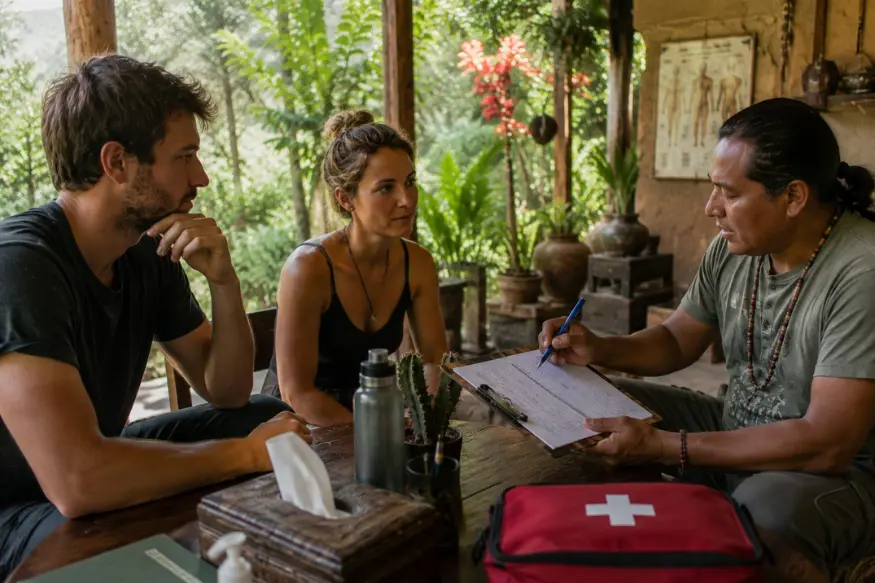
San Pedro may be inappropriate for people with certain medical or psychological conditions. Participation should be postponed or declined when an adequate health assessment cannot be completed.
People who are generally considered at higher risk include those with:
- Uncontrolled high blood pressure
- Serious heart disease
- History of heart attack or stroke
- Cardiac arrhythmias
- Seizure disorders
- Serious liver or kidney disease
- Severe dehydration
- Recent major surgery
- Pregnancy or breastfeeding
- Schizophrenia or another psychotic disorder
- Bipolar I disorder or history of mania
- Current psychosis or mania
- Severe, unstable depression
- Active suicidal thoughts
- Recent psychiatric hospitalization
- Severe panic disorder that is not adequately managed
- Personal or close family history of psychosis
- Current substance dependence or withdrawal
Eligibility must be determined individually. A diagnosis does not provide enough information by itself, but withholding a diagnosis can place both the participant and the support team at risk.
Is it safe to combine San Pedro with other substances?
Mixing San Pedro with other psychoactive substances introduces additional uncertainty and should not be treated casually.
Potentially dangerous combinations include the following:
- Cocaine or amphetamines
- MDMA
- Large amounts of caffeine or other stimulants
- Alcohol
- Cannabis, particularly in people prone to panic or paranoia
- Ayahuasca or other preparations containing MAO-inhibiting compounds
- Psilocybin, LSD, or other psychedelics
- Unprescribed psychiatric drugs
Combining substances can make the experience stronger, longer, or more unpredictable. It may also complicate emergency treatment because healthcare professionals need to know precisely what was consumed.
Why are the environment and supervision important when you’re participating in a San Pedro Wachuma ceremony?
San Pedro can affect judgment, balance, coordination, and awareness of danger. Even when the substance does not cause a direct medical emergency, accidents may occur because a participant is disoriented.
A safer setting should provide the following:
- A controlled and private environment
- Protection from traffic, cliffs, rivers, fire, and other hazards
- Sober support personnel
- Continuous observation when necessary
- Clean drinking water and hygienic facilities
- Protection from extreme heat, cold, and sunlight
- A communication system for emergencies
- Reliable transportation
- A clear emergency response plan
- Appropriate participant-to-staff ratios
Ceremonies involving mountain walks require additional precautions. Altitude, intense sun, cold, uneven ground, dehydration, and physical exertion may add to the cardiovascular and psychological demands of the experience.
Participants should not drive, cycle, swim, hike alone, cook over an open flame, or operate machinery while affected.
How to Evaluate a San Pedro Retreat or Facilitator
A responsible provider should be willing to explain its safety procedures clearly. Avoid organizations that rely entirely on spiritual language while refusing to discuss medical risks.
Before booking, ask:
- Do you complete medical and psychological screening?
- Who reviews the health information?
- How many participants attend each ceremony?
- How many sober staff members remain present?
- What happens if someone experiences panic or confusion?
- Is there a written emergency protocol?
- How quickly can professional medical care be reached?
- Do you keep first-aid equipment on site?
- How do you protect participants from falls, roads, water, or extreme weather?
- What support is available after the ceremony?
- How is participant privacy protected?
- What safeguards prevent sexual or financial exploitation?
Be cautious if a provider:
- Guarantees healing or permanent transformation
- Claims that San Pedro is safe for everyone
- Does not request health information
- Encourages participants to hide medication use
- Tells people to discontinue prescriptions without medical supervision
- Combines several psychoactive substances without a clear explanation
- Has no emergency or evacuation plan
- Leaves intoxicated participants unattended
- Uses fear, pressure, or spiritual authority to prevent questions
- Allows sexual contact between facilitators and participants
Consent, Boundaries, and Participant Protection
Physical and emotional vulnerability can increase during a psychedelic experience. Clear consent and professional boundaries are therefore essential.
Touch should never be assumed. Participants should be informed beforehand about any traditional practices that may involve physical contact, smoke, perfumes, singing close to the body, or individual energetic work. They must be able to refuse nonessential contact without punishment or embarrassment.
Sexual contact between a facilitator and a participant during or immediately around a ceremony is an abuse of power. Altered consciousness prevents reliable consent.
Participants should also understand:
- What substance they will receive
- What the ceremony may involve
- The known and unknown risks
- Who will have access to their medical information
- Whether photos or recordings are permitted
- How complaints can be reported
- When they may withdraw from the process
How to Prepare for a Safer Experience at a San Pedro Wachuma Ceremony
Preparation cannot eliminate every risk, but it can help reduce avoidable problems.
Before participating:
- Complete the health questionnaire honestly.
- Discuss medical concerns with a qualified professional.
- Do not change medications without medical supervision.
- Avoid alcohol and recreational drugs.
- Follow reasonable hydration and nutrition guidance.
- Sleep adequately before the ceremony.
- Arrange safe transportation.
- Tell a trusted person where you will be.
- Avoid making major commitments immediately after the experience.
- Learn what emergency support the provider offers.
- Clarify consent and touch policies in advance.
Extreme fasting, dehydration, or severe dietary restrictions are not proof of spiritual commitment and may increase physical weakness.
What to Do During a Difficult Experience
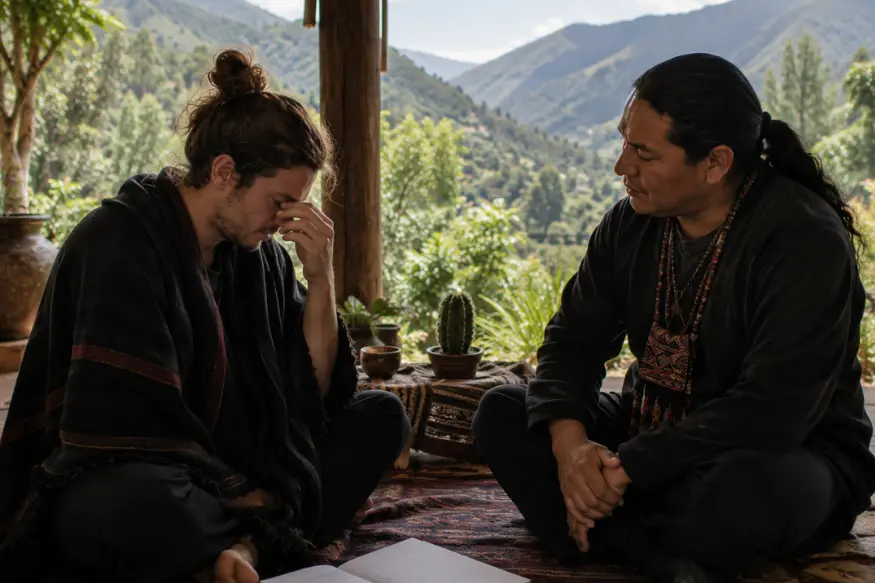
Fear, nausea, emotional intensity, and confusion can occur. A trained support person should first help the participant remain physically safe and determine whether the situation is psychological, medical, or both.
Helpful measures may include:
- Moving to a quiet, protected area
- Using simple and reassuring communication
- Encouraging slow breathing
- Reducing excessive sound, light, or stimulation
- Monitoring awareness and physical condition
- Offering water cautiously when appropriate
- Preventing the person from wandering into danger
- Remaining present without restraining the person unnecessarily
- Seeking professional medical assistance when warning signs appear
A difficult experience should never be managed through intimidation, ridicule, forced physical contact, or additional psychoactive substances.
Warning Signs Requiring Urgent Medical Attention
Emergency services should be contacted when a participant experiences:
- Chest pain
- Difficulty breathing
- Fainting or loss of consciousness
- Seizure
- Severe or persistent confusion
- Extremely high body temperature
- Signs of severe dehydration
- Uncontrollable or prolonged vomiting
- Severe agitation that creates immediate danger
- Sudden weakness, facial drooping, or difficulty speaking
- Irregular or extremely rapid heartbeat
- Suicidal or violent behavior
- Psychotic or manic symptoms that continue after the expected effects
- Any rapidly worsening or unexplained symptom
The support team should tell medical personnel what was consumed, approximately when it was consumed, and whether other substances or medications were involved.
Aftercare and Integration
The end of the ceremony does not always mean that every psychological effect has ended. Some people feel tired, sensitive, emotionally open, or mentally stimulated during the following days.
Useful aftercare may include:
- Rest and regular meals
- Adequate hydration
- Avoiding alcohol and recreational drugs
- Postponing driving until fully alert
- Avoiding immediate major life decisions
- Speaking with a qualified integration professional
- Maintaining contact with trusted friends or family
- Seeking clinical support if distress persists
Professional assistance is advisable if a person experiences persistent insomnia, panic, depression, mania, paranoia, unusual perceptions, difficulty functioning, or thoughts of self-harm.
Integration should help a participant evaluate the experience thoughtfully. It should not pressure the person to accept every image, thought, or feeling as a literal truth.
Can San Pedro Wachuma Cause a Fatal Overdose?
Deaths caused solely by the direct toxic effects of mescaline appear to be uncommon, but this does not mean that San Pedro is harmless.
Serious injury or death may occur indirectly through:
- Falls or traffic accidents
- Dangerous behavior during disorientation
- Drowning
- Exposure to extreme weather
- Severe dehydration
- Undisclosed medical conditions
- Interactions with other substances
- Delayed access to emergency treatment
- Self-harm during an acute psychological crisis
The natural origin of San Pedro does not prevent medical emergencies.
Is San Pedro Addictive?
Mescaline is not generally associated with compulsive physical dependence in the same way as alcohol, opioids, or nicotine. Nevertheless, a person can develop an unhealthy psychological relationship with ceremonies or repeatedly pursue intense experiences while neglecting daily responsibilities.
Frequent use may also indicate avoidance rather than genuine healing. Integration, reflection, and adequate time between experiences are important.
FAQs
Can I consume San Pedro Wachuma if I am pregnant or breastfeeding?
Is vomiting during San Pedro dangerous?
Occasional nausea and vomiting can occur, but persistent vomiting may result in dehydration or electrolyte imbalance. Vomiting accompanied by confusion, fainting, severe weakness, chest pain, or inability to retain fluids requires medical evaluation.
Can I take San Pedro while using antidepressants?
Do not assume the combination is safe. Interaction data are limited, and different antidepressants have different mechanisms and withdrawal risks. Consult the prescribing professional and never discontinue medication abruptly to attend a ceremony.
Can someone with anxiety participate?
Anxiety alone does not determine eligibility, but San Pedro can intensify fear and physical sensations. The severity of the condition, panic history, medication use, current stability, and available support should all be reviewed.
Is San Pedro safe for someone with bipolar disorder?
People with bipolar disorder—especially bipolar I disorder or a history of mania—may face a higher risk of mood destabilization. A ceremony should not replace psychiatric treatment, and specialist medical advice is essential.
Is it safe to combine San Pedro and ayahuasca?
Combining psychedelic preparations introduces additional pharmacological and psychological uncertainty. Ayahuasca commonly involves MAO-inhibiting compounds, which make drug interactions especially important. Such combinations should never be presented as automatically safe because they are traditional.
Can I participate alone?
Solo use creates additional risks because judgment, coordination, and situational awareness may become impaired. If a medical or psychological emergency occurs, the person may be unable to seek help.
Is a traditional ceremony safer than recreational use?
Tradition can provide structure and cultural context, but it does not guarantee medical safety. Safety depends on screening, preparation, ethical conduct, sober supervision, environmental controls, and access to emergency care.
Final Considerations
San Pedro Wachuma deserves both cultural respect and honest risk communication. A responsible approach does not exaggerate danger, but it also does not describe a powerful psychedelic as completely harmless.
Medical screening, transparent informed consent, trained supervision, appropriate boundaries, a safe environment, emergency planning, and integration support can reduce risk. They cannot eliminate it.
Anyone considering San Pedro should make the decision slowly, disclose relevant health information honestly, and choose a provider that places participant welfare above sales or spiritual promises.