

Wachuma Contraindications: Who Should Avoid San Pedro?
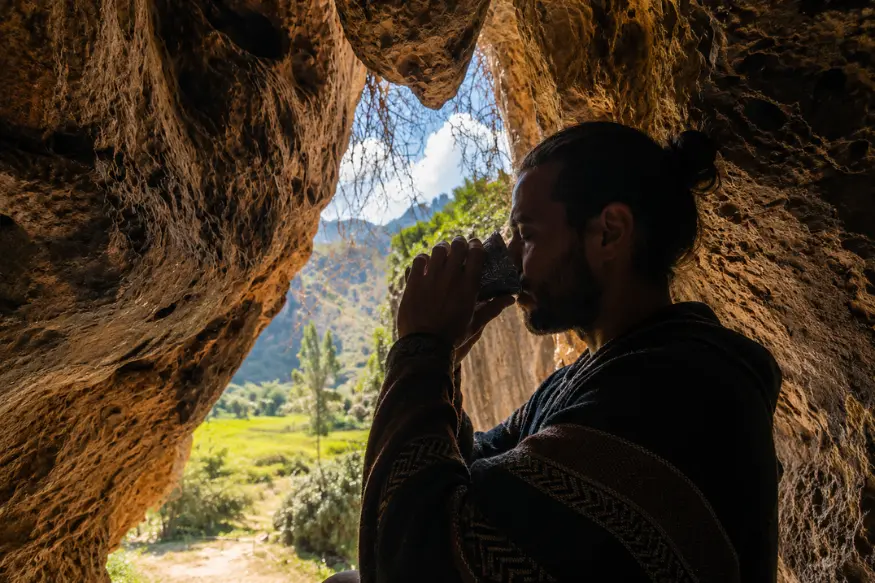
Wachuma, also known as San Pedro, has been used in Andean ceremonial traditions for centuries. Its main psychoactive compound, mescaline, can affect perception, emotions, thought patterns, heart rate, and blood pressure.
Although some healthy adults may experience only temporary discomfort, Wachuma is not appropriate for everyone. Certain medical conditions, medications, mental health histories, and personal circumstances may increase the possibility of serious physical or psychological reactions.
For a broader introduction to its traditional use and general effects, read our complete guide to What Is Wachuma?
What Are Wachuma Contraindications?
Wachuma contraindications are medical conditions, medications, or personal circumstances that may make participating in a San Pedro ceremony unsafe.
They are different from Wachuma side effects. Side effects are reactions that may occur after consuming Wachuma, such as nausea, anxiety, headache, or an increased heart rate. Contraindications help identify who may face greater risks before taking it.
A contraindication does not mean that a complication will always occur. It means the potential risk may be high enough for participation to be avoided, postponed, or evaluated by a qualified healthcare professional.
Medical Conditions That May Make Wachuma Unsafe
Mescaline affects several bodily systems. Existing health conditions may make it harder for someone to tolerate temporary changes in blood pressure, heart rate, hydration, temperature, or physical coordination.
Cardiovascular Conditions
Wachuma may temporarily increase heart rate and blood pressure. These effects can place additional strain on someone with an existing cardiovascular condition.
Conditions requiring particular caution include:
Coronary artery disease
Cardiac arrhythmias
Heart failure
Structural heart disease
Previous heart attack
Previous stroke
Unexplained chest pain
Recurrent fainting
Having a heart condition does not become safe simply because Wachuma is natural or traditionally used. Individual medical evaluation may be necessary.
Uncontrolled High Blood Pressure
Uncontrolled hypertension is a serious concern because Wachuma may cause an additional temporary increase in blood pressure.
The risk may become greater when the ceremony also involves:
Anxiety or panic
Dehydration
Physical exertion
High altitude
Extreme temperatures
Stimulants or other substances
Even controlled hypertension should be reviewed together with any medication being taken.
Epilepsy and Seizure Disorders
There is limited information about Wachuma use among individuals with epilepsy or a history of seizures.
Because the risks are not well established, participation should not be considered appropriate without specialist medical advice.
The same caution applies to serious neurological conditions, unexplained seizures, or significant traumatic brain injuries.
Severe Liver or Kidney Disease
The liver and kidneys help the body process and eliminate substances.
Severe liver or kidney impairment may affect how the body responds to mescaline and may increase vulnerability to dehydration, nausea, or prolonged physical stress.
Anyone with advanced liver or kidney disease should seek medical guidance before considering participation.
Serious or Unstable Health Conditions
A Wachuma experience may continue for many hours and can involve nausea, vomiting, emotional intensity, changes in blood pressure, and difficulty resting or communicating clearly.
Participation may be unsafe for someone experiencing:
A recent medical emergency
An active infection or fever
Severe dehydration
Recent major surgery
An unstable chronic illness
Significant physical weakness
A condition requiring close medical observation
A ceremonial environment should never be treated as a replacement for clinical care.
Mental Health Contraindications
Wachuma can intensify thoughts, emotions, memories, and sensory perception. This may become overwhelming or destabilizing for individuals with certain psychiatric conditions.
Schizophrenia and Psychotic Disorders
Individuals diagnosed with schizophrenia, schizoaffective disorder, delusional disorder, or another psychotic condition are generally advised to avoid psychedelic substances.
Wachuma may intensify perceptual changes, unusual beliefs, paranoia, confusion, or difficulty distinguishing internal experiences from external reality.
Previous Psychotic Episodes
A previous episode involving hallucinations, severe paranoia, delusions, or loss of contact with reality is an important warning sign.
This history remains relevant even if the episode happened only once, was caused by another substance, occurred several years ago, or ended without hospitalization.
Bipolar Disorder and History of Mania
Individuals with Bipolar I disorder or a history of manic or mixed episodes may face an increased risk of mood destabilization.
Important warning signs include:
Previous mania
Psychotic symptoms during mood episodes
Recent mood instability
Severe sleep disruption
Rapid cycling
Recent psychiatric hospitalization
Bipolar II disorder also requires an individual professional assessment.
Family History of Psychosis or Bipolar Disorder
A close family history of schizophrenia, psychosis, or bipolar I disorder may indicate greater psychological vulnerability.
It does not mean that an adverse reaction will definitely happen, but this information should be disclosed during screening.
Severe Anxiety or Panic Disorder
Anxiety is not always an absolute contraindication. However, Wachuma may temporarily intensify fear, bodily sensations, uncertainty, and distressing thoughts.
Participation may be inappropriate when someone is currently experiencing:
Frequent panic attacks
Severe health anxiety
Extreme emotional instability
Inability to manage distress
Severe insomnia
Rapidly worsening symptoms
Recent psychiatric hospitalization
The person’s current level of stability is more important than the diagnosis alone.
Severe Depression or Suicidal Thoughts
Anyone experiencing active suicidal thoughts, recent self-harm, severe hopelessness, or an acute mental health crisis requires qualified professional support.
A Wachuma ceremony should not be presented as emergency treatment or as a guaranteed cure for depression, trauma, addiction, or another psychiatric condition.
Pregnancy and Breastfeeding
Wachuma should generally be avoided during pregnancy and breastfeeding.
There is not enough reliable evidence to establish the safety of mescaline exposure for a developing fetus or nursing infant.
Pregnancy can also affect cardiovascular function, hydration needs, nausea, and sensitivity to physical stress, potentially making adverse reactions more difficult to manage.
Medications That May Interact With Wachuma
Information about interactions between mescaline and prescription medications remains limited.
Participants should disclose all prescription drugs, over-the-counter medications, herbal products, supplements, and psychoactive substances during the screening process.
Antidepressants
Antidepressants include several different medication groups:
SSRIs
SNRIs
MAOIs
Tricyclic antidepressants
Atypical antidepressants
These medications affect the nervous system in different ways. They may influence serotonin activity, blood pressure, heart rhythm, emotional stability, or the intensity of the experience.
Anyone taking antidepressants should speak with the professional who prescribed them.
Antipsychotic Medications
Antipsychotic medication may indicate a history of psychosis, mania, severe mood disturbance, or another psychiatric condition that may already make participation inappropriate.
The underlying diagnosis is often as important as the possible medication interaction.
Mood Stabilizers
Mood stabilizers may be prescribed for bipolar disorder, epilepsy, or other psychiatric and neurological conditions.
Both the medication and the reason it was prescribed require careful professional assessment.
Heart and Blood Pressure Medications
Anyone taking medication for hypertension, arrhythmias, angina, heart failure, or another cardiovascular condition should seek medical advice before considering Wachuma.
Medication does not automatically remove the risk associated with the underlying condition.
Prescription Stimulants
Prescription stimulants may increase
Heart rate
Blood pressure
Nervous-system activation
Anxiety
Sleep disruption
Combining stimulating medications with Wachuma may increase physical or emotional stress.
Sedatives and Anti-Anxiety Medications
Sedatives may affect coordination, alertness, memory, and responsiveness.
Abruptly discontinuing some anti-anxiety medications can also produce serious withdrawal symptoms. Any medication adjustment must be supervised by the prescribing professional.
Herbal Products and Recreational Substances
Natural products can still produce significant physical or psychological effects.
Screening should include the use of:
Herbal preparations
Cannabis
Alcohol
Cocaine
MDMA
Other psychedelics
Sleep products
Weight-loss products
Pre-workout supplements
Other stimulants
Mixing substances may make the experience more unpredictable and increase the risk of complications.
Should You Stop Taking Medication Before a Wachuma Ceremony?
No. Never stop prescribed medication solely to participate in a Wachuma ceremony.
Abrupt discontinuation may cause the following:
Withdrawal symptoms
Mood destabilization
Return of the original condition
Severe insomnia
Cardiovascular changes
Seizures
Psychiatric crisis
Only the healthcare professional managing the treatment should decide whether a medication can be safely reduced, changed, or discontinued.
The ceremony should be postponed or avoided when participation would require ignoring medical advice.
Other Situations in Which Wachuma May Be Inappropriate
Not every contraindication involves a diagnosed medical condition or prescription medication. A person’s emotional state, ability to consent, and the safety of the setting also matter.
Recent Emotional Crisis
A recent bereavement, separation, traumatic event, or major personal crisis may increase emotional vulnerability.
Participation may need to be postponed until the individual is more stable and has appropriate support.
Alcohol or Substance Withdrawal
A Wachuma ceremony is not a substitute for medically supervised detoxification.
Withdrawal from alcohol, benzodiazepines, and certain other substances can become dangerous and may require professional medical care.
Inability to Give Informed Consent
Participants must understand the substance being offered, its expected duration, potential risks, the ceremony setting, and the available emergency procedures.
Someone who is intoxicated, cognitively impaired, under pressure, or unable to understand this information cannot provide meaningful informed consent.
Lack of Safe Supervision
Even a medically healthy participant may face unnecessary risks in a poorly managed setting.
Warning signs include:
- No health screening
- Unclear ingredients
- No sober supervision
- No emergency protocol
- No access to medical assistance
- Instructions to stop prescribed medication
- Poor physical or sexual boundaries
- Promises of guaranteed healing
Why Health Screening Matters
A responsible health screening helps identify whether a participant’s medical history, medications, psychological stability, or current circumstances may make Wachuma unsafe.
Screening should review:
- Cardiovascular and neurological health
- Mental health history
- Previous psychosis or mania
- Current medications and supplements
- Pregnancy or breastfeeding
- Recreational substance use
- Previous reactions to psychedelics
- Recent physical or emotional crises
A questionnaire may not be sufficient in complex cases. Medical or psychological evaluation may also be necessary.
How to Reduce the Risk of Complications
No preparation can make Wachuma entirely risk-free. However, responsible decisions may reduce preventable harm.
Provide Complete Health Information
Participants should never hide a diagnosis, medication, pregnancy, or previous adverse reaction to gain acceptance into a ceremony.
Health information should be reviewed confidentially and responsibly.
Seek Professional Medical Advice
Medical guidance is especially important for anyone with:
A chronic medical condition
A psychiatric diagnosis
Regular medication use
Previous mania or psychosis
A history of seizures
A previous difficult psychedelic experience
The goal is to receive an individualized risk assessment based on the person’s actual health history.
Evaluate the Provider Carefully
Before booking, ask about:
Facilitator experience
Participant-to-staff ratio
Emergency procedures
Nearest medical facility
Transportation or evacuation plans
Medication-screening policies
Management of psychological distress
Ethical boundaries
Post-ceremony support
Avoid Mixing Substances
Alcohol, recreational drugs, additional psychedelics, and undeclared herbal products may create unpredictable reactions.
Preparation guidelines should never replace medical advice.
Allow Enough Recovery Time
Wachuma can produce effects lasting many hours. Participants should not drive, operate machinery, travel alone, or make important decisions until they are fully sober and rested.
Plan Appropriate Aftercare
Fatigue, emotional sensitivity, or continued psychological processing may persist after the strongest effects have ended.
Aftercare may include:
Rest
Hydration
Nutritious food
Support from a trusted person
Professional assistance when distressing symptoms continue
When Should You Seek Emergency Medical Care?
Urgent medical assistance should be requested when someone experiences:
Chest pain
Difficulty breathing
Loss of consciousness
A seizure
Severe or prolonged confusion
Dangerous agitation
Repeated vomiting with dehydration
Very high body temperature
Suicidal or violent behavior
Psychotic symptoms that continue beyond the expected experience
Any symptom that appears medically serious
Spiritual or ceremonial interpretations should never delay emergency treatment.
Frequently Asked Questions
Who should not take Wachuma?
Wachuma should generally be avoided by individuals with serious cardiovascular disease, uncontrolled high blood pressure, schizophrenia-spectrum disorders, previous psychosis, bipolar I disorder, a history of mania, pregnancy, breastfeeding, or an acute physical or psychological crisis.
Other health conditions and medications require individual professional evaluation.
Can I take Wachuma while using antidepressants?
Do not combine Wachuma with antidepressants based solely on general online information.
Different antidepressants work in different ways and may present different risks. Speak with the prescribing professional and disclose the medication during screening.
Is high blood pressure a contraindication?
Uncontrolled high blood pressure is a significant concern because Wachuma may temporarily raise blood pressure.
Controlled hypertension should also be evaluated together with the medication being used.
Can someone with anxiety participate?
Mild and stable anxiety is not always an absolute contraindication.
However, frequent panic attacks, severe anxiety, emotional instability, or rapidly worsening symptoms may increase the risk of an overwhelming experience.
Is bipolar disorder a contraindication?
Bipolar I disorder and a history of mania should be treated as major warning signs because psychedelic experiences may contribute to mood destabilization.
A qualified mental health professional should evaluate the individual risk.
Can pregnant women participate?
Participation is generally not recommended during pregnancy or breastfeeding because there is insufficient evidence establishing safety for a fetus or nursing infant.
Should I stop taking my medication before the ceremony?
No. Never stop or reduce prescribed medication without guidance from the healthcare professional responsible for your treatment.
Is a health questionnaire sufficient?
Not always. A questionnaire can identify potential warning signs, but complex diagnoses, medication combinations, and previous psychiatric episodes may require professional medical or psychological evaluation.