

Wachuma Side Effects
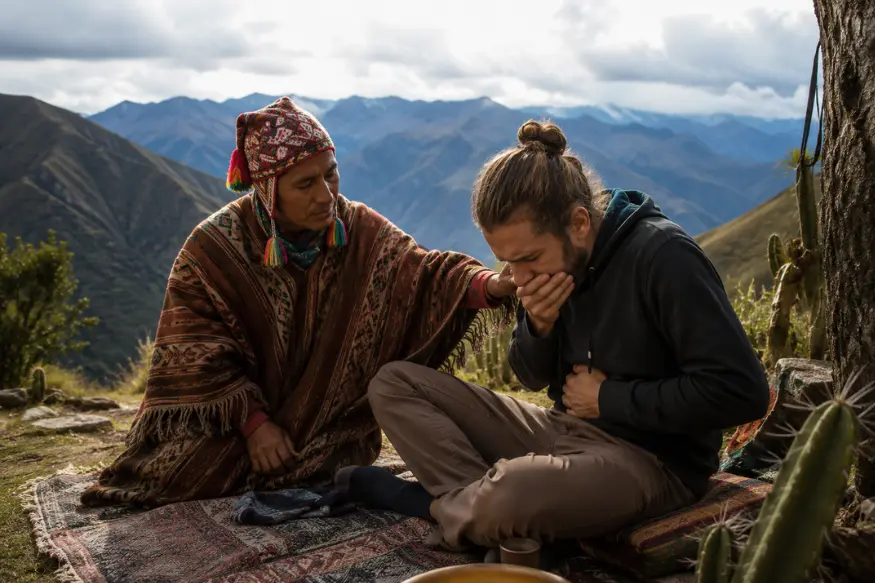
Wachuma, also known as San Pedro, has been used in Andean traditions for centuries in ceremonial and healing contexts. While many participants describe the experience as meaningful and reflective, Wachuma can also produce physical, emotional, and psychological side effects.
Understanding these effects before participating in a ceremony can help you make an informed decision and prepare responsibly.
Related: Before reading about the side effects, learn the basics in our complete guide to What Is Wachuma?
What Causes Wachuma Side Effects?
The primary active compound in Wachuma is mescaline, a naturally occurring psychedelic alkaloid that affects serotonin receptors in the brain. These changes influence perception, emotions, cognition, and certain bodily functions, leading to both desired effects and temporary side effects.
Not everyone experiences the same reactions. Side effects can vary depending on factors such as
- Individual sensitivity
- Dosage
- Physical health
- Mental health history
- Environment
- Experience of the facilitator
Common Physical Side Effects
Many physical reactions are temporary and resolve as the ceremony progresses.
Nausea
Nausea is one of the most frequently reported effects.
Some ceremonial traditions consider it part of the cleansing process, while medically it is recognized as a common gastrointestinal response to mescaline-containing cacti.
Vomiting
Some participants vomit during the ceremony, while others do not.
The intensity varies greatly between individuals and should never be intentionally forced unless directed by experienced traditional practitioners.
Increased Heart Rate
Mescaline can temporarily increase heart rate and stimulate the cardiovascular system.
Healthy individuals often tolerate this change, but people with cardiovascular disease may face greater risks.
Increased Blood Pressure
A temporary elevation in blood pressure may occur during the experience.
For this reason, individuals with uncontrolled hypertension or serious heart conditions are generally advised not to participate without appropriate medical evaluation.
Sweating
Some participants experience:
- Increased sweating
- Feeling warm
- Mild chills
These changes usually pass without treatment.
Headache
A mild headache may occur during or after the ceremony.
Staying hydrated before and after the experience may help reduce discomfort.
Dizziness
Standing too quickly or dehydration may contribute to temporary dizziness.
Participants are usually encouraged to move slowly throughout the ceremony.
Emotional Side Effects
Wachuma often amplifies emotions.
Although many people experience feelings of peace or connection, others may temporarily encounter difficult emotions such as
- Sadness
- Fear
- Anxiety
- Grief
- Emotional vulnerability
- Unexpected memories
These experiences are not necessarily harmful, but they can be challenging without proper support.
Psychological Side Effects
Psychological effects vary widely.
Possible experiences include the following:
- Confusion
- Temporary anxiety
- Intense introspection
- Altered perception of time
- Heightened sensitivity
- Difficulty communicating
Individuals with a personal or family history of psychotic disorders may face increased psychological risks when using psychedelic substances.
Is it possible for someone to have a bad experience at a San Pedro ceremony?
Yes.
Not every Wachuma ceremony feels peaceful.
Some participants experience what is commonly called a challenging psychedelic experience, which may include:
- Panic
- Fear
- Emotional overwhelm
- Distressing thoughts
- Temporary paranoia
A safe environment, experienced facilitators, and appropriate preparation may reduce these risks, although they cannot eliminate them completely.
Who should avoid wachuma?
Wachuma may not be appropriate for everyone.
Many facilitators recommend avoiding ceremonies if you have the following:
- Serious cardiovascular disease
- Uncontrolled high blood pressure
- Epilepsy
- Pregnancy
- Severe liver disease
- Bipolar disorder
- Schizophrenia
- History of psychosis
- Certain psychiatric conditions
Many medications—including some antidepressants, antipsychotics, mood stabilizers, and cardiovascular drugs—may also require medical review before participating.
Can Wachuma Interact with Medications?
Yes.
Potential interactions depend on the medication.
Examples may include:
- Antidepressants
- Antipsychotics
- Mood stabilizers
- Blood pressure medications
- Heart medications
- Stimulants
Participants should never stop prescribed medication solely to attend a ceremony without consulting their healthcare provider.
How long do the side effects of wachuma last?
Most physical effects occur during the active experience.
Typical duration:
| Stage | Approximate Time |
|---|---|
| Initial effects | 1–2 hours |
| Peak experience | 3–6 hours |
| Gradual decline | 6–12 hours |
| Mild after-effects | Up to 24 hours |
Emotional reflection or psychological integration may continue for days or weeks after the ceremony.
How to Reduce the Risk of Side Effects
Although no ceremony is completely risk-free, responsible preparation may improve safety.
Recommended practices include:
- Complete an honest health screening
- Disclose all medications
- Avoid alcohol and recreational drugs beforehand
- Stay hydrated
- Follow preparation instructions
- Participate only with experienced facilitators
- Ensure emergency procedures are available
- Plan adequate time for rest and integration
When Are Wachuma Side Effects a Medical Emergency?
Immediate medical evaluation may be necessary if someone experiences:
- Chest pain
- Difficulty breathing
- Loss of consciousness
- Seizures
- Extremely high blood pressure
- Persistent vomiting causing dehydration
- Severe confusion that continues long after the ceremony
- Violent behavior
- Suicidal thoughts
These situations are uncommon but should always be treated as medical emergencies.
Frequently Asked Questions
Is nausea normal during a Wachuma ceremony?
Yes. Nausea is one of the most commonly reported physical effects of mescaline-containing cacti and may occur with or without vomiting.
Can Wachuma increase blood pressure?
Yes. Temporary increases in blood pressure and heart rate have been reported, which is why people with cardiovascular disease should consult a healthcare professional before considering participation.
Can Wachuma cause anxiety?
Yes. Some participants experience temporary anxiety, fear, or emotional discomfort, particularly during challenging moments of the experience.
Are Wachuma side effects permanent?
Most physical side effects resolve within the same day. Emotional insights or psychological processing may continue longer, but persistent adverse effects are uncommon.
Is Wachuma safe for everyone?
No. People with certain heart conditions, severe psychiatric disorders, epilepsy, pregnancy, or those taking some medications may face increased risks and should seek appropriate medical advice before participating.