

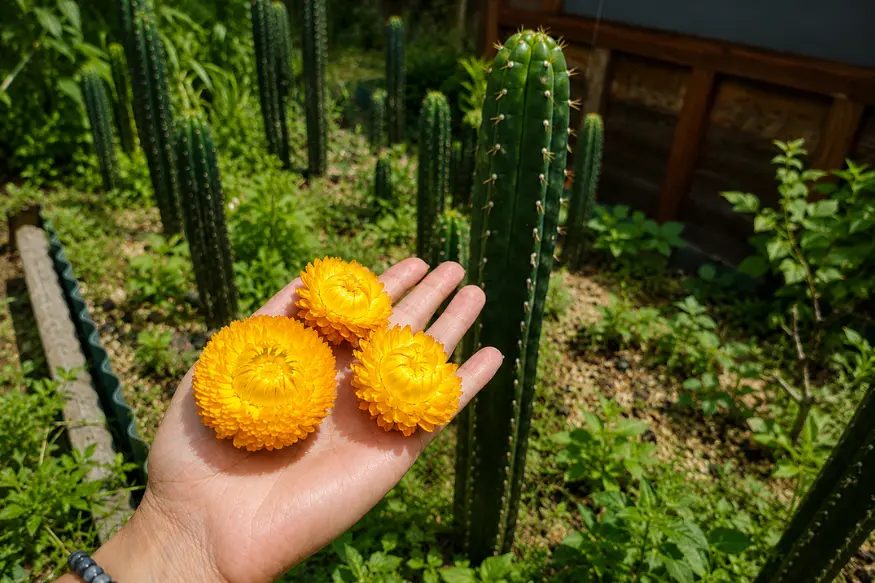
Wachuma, also widely known as San Pedro, is a sacred cactus with a long history of ceremonial and traditional use in the Andes. For generations, it has held an important place within certain Indigenous and traditional healing practices, particularly in Peru, where knowledge surrounding San Pedro continues to form part of living cultural traditions.
Today, people from around the world are becoming increasingly curious about Wachuma, its origins, its relationship with the San Pedro cactus, and the experiences associated with traditional ceremonies. However, understanding Wachuma requires looking beyond its psychoactive properties. Its cultural history, ceremonial context, potential effects, and risks are all important parts of the conversation.
This guide explains what Wachuma is, where it comes from, what it contains, how it has traditionally been used, and what people should understand before considering participation in a Wachuma ceremony.
What Is Wachuma?
Wachuma, sometimes spelled Huachuma, is a traditional name associated with several mescaline-containing columnar cacti native to South America. The cactus most commonly associated with the name is San Pedro, botanically known as Echinopsis pachanoi and also classified in botanical literature under the synonym Trichocereus pachanoi.
The cactus grows naturally in parts of the Andes and has been closely connected with traditional ceremonial practices, particularly in Peru and neighboring Andean regions.
Unlike many modern discussions that focus primarily on Wachuma as a psychedelic substance, traditional perspectives often place the cactus within a broader cultural and ceremonial framework. Its use may involve preparation, ritual practices, guidance from an experienced practitioner, and a particular intention for participating in the ceremony.
The experience associated with Wachuma is primarily connected to mescaline, a naturally occurring psychoactive alkaloid found in San Pedro and several related cactus species.
For this reason, Wachuma can produce significant changes in perception, emotion, thought, and sensory awareness. These effects also mean that participation is not appropriate for everyone and should not be approached casually.
Is Wachuma the same as San Pedro?
In many modern contexts, the terms “Wachuma” and “San Pedro” are used interchangeably, although their cultural meanings and origins are not necessarily identical.
Wachuma, or Huachuma, is an older traditional name associated with the cactus and its use in Andean cultures. San Pedro is the Spanish name that became widely used following European colonization.
Today, someone referring to a “Wachuma ceremony” or a “San Pedro ceremony” may be describing an experience involving the same or a closely related type of mescaline-containing cactus.
However, terminology can vary depending on the region, cultural tradition, and practitioner.
The name Wachuma often emphasizes the plant’s connection with Andean traditions, while San Pedro has become the internationally recognized common name for Echinopsis pachanoi.
Understanding this distinction is useful because Wachuma is more than simply another name for a psychoactive cactus. For many traditional practitioners, the term is connected to a larger body of knowledge, ceremonial practices, and cultural beliefs that have developed across generations.
Where does Wachuma come from?
Wachuma is closely associated with the Andean region of South America, particularly Peru and Ecuador.
San Pedro is a tall, columnar cactus adapted to the diverse environments found along the Andes. Different species and varieties associated with Wachuma can be found across parts of the region, where these cacti have been cultivated or gathered for traditional purposes.
Peru has an especially significant relationship with San Pedro.
Archaeological and ethnobotanical research points to a long history of psychoactive cactus use in the Andean world, while San Pedro imagery has been identified in ancient cultural contexts, including those associated with Chavín and other pre-Hispanic traditions.
The tradition has also survived into the present.
In northern Peru, knowledge and traditional uses of the San Pedro cactus remain connected with curanderismo, a system of traditional healing that incorporates plants, rituals, cultural beliefs, and knowledge transmitted between generations.
This long history helps explain why Wachuma continues to occupy an important place in discussions about Andean traditional practices today.
How has Wachuma traditionally been used?
Traditional uses of Wachuma have varied between regions, communities, and individual practitioners.
In parts of northern Peru, San Pedro has historically been incorporated into curanderismo and ceremonial healing practices led by traditional specialists often known as curanderos or maestros.
Within these traditions, the cactus may form one element of a larger ceremonial system.
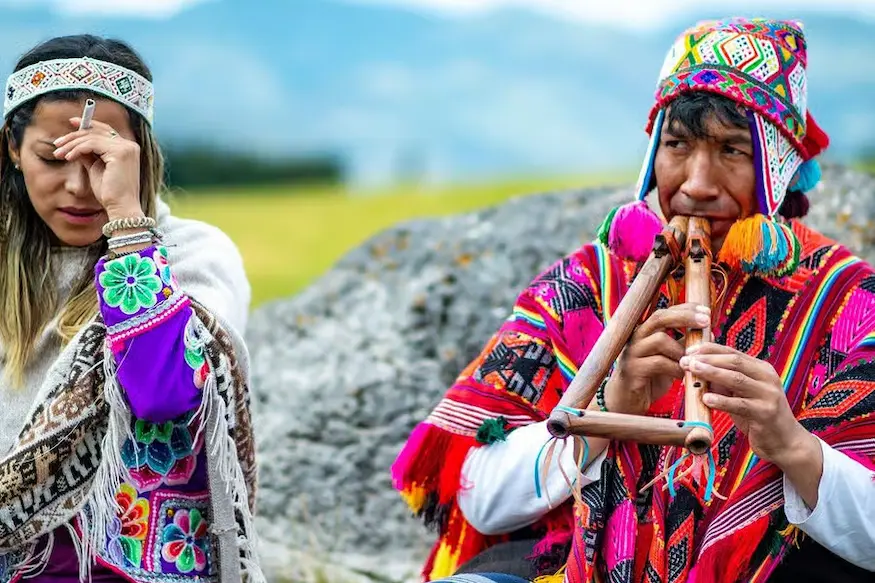
The ceremony itself may include ritual preparation, prayers, songs, symbolic objects, cleansing practices, and a ceremonial space traditionally known in some contexts as a “mesa.”
Historically, the purpose of these practices was not simply to experience altered states of consciousness. Traditional practitioners might use the ceremony within culturally specific approaches to understanding illness, restoring balance, seeking insight, or addressing spiritual concerns.
These traditions should also be understood within their cultural context rather than being presented as standardized practices followed everywhere in the Andes.
Ceremonies can differ significantly depending on the lineage, region, and practitioner.
In 2022, Peru’s Ministry of Culture declared the traditional knowledge and uses associated with the San Pedro cactus in northern Peruvian curanderismo part of the country’s Cultural Heritage, recognizing their historical and cultural significance.
What Does Wachuma Contain?
The principal psychoactive compound associated with Wachuma is mescaline.
Mescaline is a naturally occurring psychedelic alkaloid present in San Pedro and several related cactus species. It interacts with the nervous system and can produce substantial changes in perception, sensory processing, emotional experience, and patterns of thought.
The concentration of mescaline is not necessarily identical from one cactus to another.
Natural variations can occur depending on factors such as the cactus species, genetics, growing conditions, age, and the particular plant material used. This variability is one reason why the intensity of a Wachuma experience can be difficult to predict precisely.
The cactus also contains other naturally occurring compounds, although mescaline is generally considered the primary compound responsible for its characteristic psychoactive effects.
Because Wachuma contains a potent psychoactive substance, it should not be treated as an ordinary herbal preparation.
Understanding its effects, potential health risks, contraindications, and interactions is an important part of making an informed decision about participation.
What does a Wachuma ceremony involve?
There is no single universal format for a Wachuma ceremony. The structure can vary depending on the cultural tradition, facilitator, location, and purpose of the gathering.
In traditional contexts, preparation may begin before the ceremony itself. Historical and contemporary practices in Peru often place importance on preparation, intention, and the ceremonial setting surrounding the use of San Pedro.
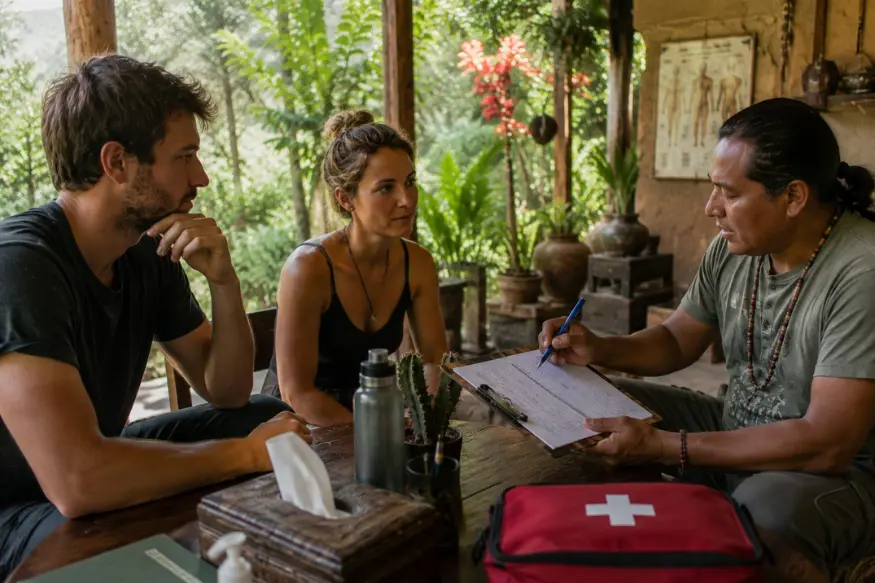
A facilitated ceremony may include an initial health screening, conversations about intention, preparation guidelines, the ceremonial consumption of a San Pedro preparation, and ongoing support throughout the experience. Some ceremonies take place outdoors, where the natural environment may form an important part of the setting.
Because the effects can continue for many hours, appropriate supervision and a safe environment are particularly important. After the ceremony, integration practices may also help participants reflect on their experience and consider how it relates to their everyday lives.
Anyone considering participation should carefully evaluate the experience and qualifications of the facilitators, health screening procedures, group size, emergency protocols, physical environment, and the support available before, during, and after the ceremony.
For those interested in learning how a facilitated experience is structured in Peru, explore our San Pedro (Wachuma) 3-day ceremony in Peru, including preparation, what the experience involves, and what participants can expect.

What are the effects of Wachuma?
The effects of Wachuma can vary significantly from person to person. Because Wachuma contains mescaline, a psychoactive compound, participants may experience changes in visual perception, sensory awareness, emotions, thought patterns, and their perception of time.
Some people describe increased introspection, emotional openness, or a heightened awareness of their surroundings. Others may experience challenging moments involving anxiety, confusion, fear, or emotional discomfort. Physical effects can also occur, including nausea, vomiting, dizziness, and changes in heart rate or blood pressure.
The intensity and nature of the experience can depend on several factors, including physical and mental health, medications, individual sensitivity, the setting, and the potency of the preparation. Experiences should not be assumed to be universally positive or beneficial.
For a more detailed understanding of potential physical, psychological, and emotional reactions and what participants may experience, read our complete guide to San Pedro (Wachuma) effects.
How long do the effects of Wachuma last?
The duration of Wachuma effects can vary depending on the individual, the potency and amount of the preparation, and other personal factors. The onset is typically gradual, and because Wachuma contains mescaline, the psychoactive experience can continue for many hours. Some physical or emotional after-effects may also persist beyond the main experience.
Because the effects can be lengthy, participants should remain in a safe and appropriately supervised environment throughout the experience. They should not drive, operate machinery, travel independently, or engage in activities that require normal judgment and coordination while experiencing psychoactive effects.
The exact duration and intensity are not the same for everyone, which is why adequate time, a responsible setting, and appropriate supervision are important considerations when participating in a Wachuma ceremony.
Is Wachuma safe?
There is no simple yes-or-no answer to whether Wachuma is safe. The level of risk can vary depending on the individual, the preparation, the setting, and the quality of supervision.
A responsible setting should include appropriate participant screening, experienced facilitators, clear safety protocols, and procedures for responding to physical or psychological distress. The environment and level of support available throughout the experience can also play an important role in participant safety.
Understanding the potential risks before participating is just as important as understanding the potential experience. For a more detailed overview of safety considerations and responsible practices, read our complete guide to San Pedro (Wachuma) safety and risks.
What are the risks and contraindications?
Wachuma can present both physical and psychological risks. Potential physical effects may include nausea, vomiting, dizziness, and changes in heart rate or blood pressure, while psychological effects can include anxiety, panic, confusion, or emotional distress.
Certain medical conditions, mental health histories, and medications may increase the potential risks associated with mescaline-containing preparations. Medication interactions are particularly important to consider, and anyone taking prescription medication should consult an appropriately qualified healthcare professional rather than stopping or changing medication independently to participate in a ceremony.
Participation should also generally be avoided during pregnancy and breastfeeding because safety has not been adequately established.
For these reasons, health screening should be considered an essential part of responsible practice. Participants should provide accurate information about their physical and mental health, medications, and relevant medical history, and should be cautious of facilitators who make universal safety claims or do not conduct meaningful screening.
Wachuma vs. Ayahuasca: What is the difference?
Wachuma and Ayahuasca are both associated with traditional ceremonial practices in South America, but they are different preparations with different psychoactive compounds, cultural histories, and subjective effects.
Wachuma is generally associated with mescaline-containing cacti from the Andean region. Ayahuasca, by contrast, is traditionally associated with Amazonian practices and is usually prepared using plants that create a brew containing DMT alongside compounds that inhibit monoamine oxidase.
The experiences are also commonly described differently. Wachuma experiences tend to have a gradual onset and can last for an extended period, while Ayahuasca ceremonies often involve a different timeline and may be associated with more intense and rapidly changing perceptual experiences.
However, individual responses to either preparation can vary considerably. Neither should automatically be considered safer, easier, or more appropriate than the other. Each has its own potential risks, contraindications, medication interactions, and cultural context.
If you want to explore these differences in greater detail, including their effects, duration, traditions, and ceremonial settings, read our complete San Pedro vs Ayahuasca comparison.
Is Wachuma legal?
The legal status of Wachuma and San Pedro can be complicated and varies significantly between countries.
One reason for this complexity is the distinction between the cactus itself and mescaline as an isolated or prepared psychoactive substance.
In some jurisdictions, San Pedro cactus may legally be grown or possessed as an ornamental plant, while extracting, preparing, possessing, or consuming mescaline may be regulated or prohibited.
The situation may also differ in countries where traditional or ceremonial uses of particular plants have cultural recognition.
In Peru, traditional knowledge and uses of San Pedro within northern Peruvian curanderismo have received formal cultural recognition. However, cultural recognition should not automatically be interpreted as a universal legal authorization covering every possible form of possession, preparation, commercialization, or use.
Travelers should verify the current laws that apply in the country and jurisdiction where they intend to participate.
It is especially important not to assume that a cactus preparation that may be permitted or culturally recognized in one country can legally be transported across international borders.
Frequently Asked Questions About Wachuma
What is another name for Wachuma?
Wachuma is commonly known as San Pedro and may also be spelled Huachuma. The cactus most frequently associated with these names is Echinopsis pachanoi, also known by the botanical synonym Trichocereus pachanoi.
Is Wachuma a psychedelic?
Yes. Wachuma is associated with mescaline, a naturally occurring psychoactive compound capable of producing significant changes in perception, emotion, sensory awareness, and consciousness.
Is Wachuma the same as peyote?
No. Wachuma and peyote are different cacti, although both can naturally contain mescaline. San Pedro is a tall columnar South American cactus, while peyote (Lophophora williamsii) is a smaller cactus native primarily to parts of Mexico and the southwestern United States.
How long does a Wachuma ceremony last?
The psychoactive effects can continue for many hours, although the exact duration varies according to the individual and preparation. A ceremony may last longer than the most intense period of psychoactive effects because it can also include preparation, ceremonial activities, rest, and post-experience support.
Does everyone have the same experience with Wachuma?
No. Experiences can vary substantially. Physical health, psychological state, medications, expectations, environment, preparation potency, and individual sensitivity can all influence the experience.
Can Wachuma cause a difficult experience?
Yes. Although some participants report positive or meaningful experiences, Wachuma can also produce anxiety, fear, confusion, emotional distress, or physically uncomfortable effects. A difficult experience should not automatically be interpreted as therapeutic or beneficial.
Do you need to prepare before a Wachuma ceremony?
Preparation requirements vary between traditions and facilitators. From a safety perspective, participants should at minimum undergo appropriate screening and provide accurate information about their health, medications, and relevant medical or psychological history.
Who should not take Wachuma?
Certain physical health conditions, mental health histories, medications, pregnancy, and other individual circumstances may make participation inappropriate or increase risk. Because contraindications can be complex, decisions should be based on proper screening and, when appropriate, consultation with a qualified healthcare professional.
Is Wachuma addictive?
Mescaline is not generally associated with the same pattern of compulsive physical dependence seen with many addictive substances. However, this does not mean that Wachuma is risk-free or appropriate for frequent or unsupervised use.
What should I look for in a responsible Wachuma ceremony?
Important considerations include participant health screening, experienced facilitators, clear safety protocols, realistic communication about risks, appropriate group supervision, emergency planning, and support before and after the experience. Avoid providers who guarantee healing, describe the experience as completely risk-free, or discourage participants from disclosing medical conditions or medications.