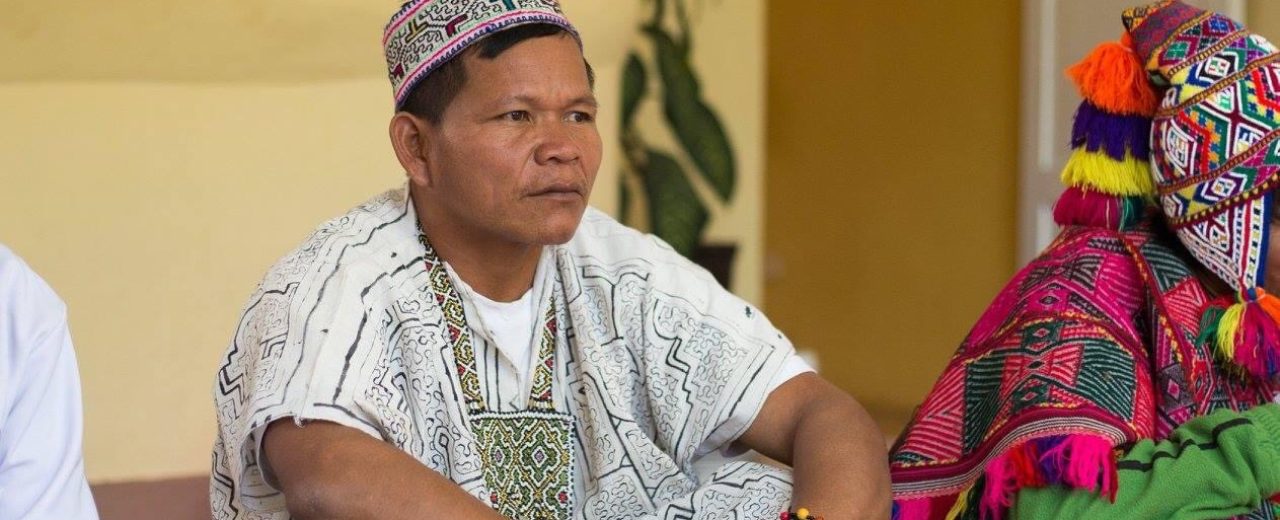
Peru is home to one of the world’s oldest and most respected ayahuasca traditions. Deep within the Amazon rainforest, generations of Indigenous healers have preserved sacred knowledge that has been passed down for centuries. These healers, commonly known as ayahuasca shamans, play a vital role in guiding people through spiritual, emotional, and personal healing journeys.
Today, travelers from around the world visit Peru seeking authentic ayahuasca experiences. While the ayahuasca brew itself receives much attention, the wisdom, experience, and guidance of the shaman are often the most important factors in a safe and meaningful ceremony.
In this article, we explore who ayahuasca shamans are, what they do, and why Peru remains one of the best places to experience this ancient tradition.
Ayahuasca retreats
Who Are Ayahuasca Shamans?
Ayahuasca shamans are traditional healers who have dedicated years, and often decades, to studying medicinal plants and spiritual healing practices. In many Amazonian communities, this knowledge is passed from one generation to the next.
A shaman’s role extends far beyond serving ayahuasca. They are teachers, healers, and guides who help participants navigate the profound experiences that can arise during a ceremony.
Many shamans begin their training at a young age under the supervision of experienced elders. Their education often includes years of plant diets, isolation retreats, spiritual discipline, and learning how to work with the medicinal plants of the Amazon.
The Origins of Ayahuasca Shamanism in Peru
The use of ayahuasca dates back thousands of years among Indigenous cultures of the Amazon Basin. Ethnic groups such as the Shipibo-Konibo, Asháninka, Yine, and Matsés have long used ayahuasca as part of their healing and spiritual traditions.
For these communities, ayahuasca is much more than a medicine. It is considered a sacred teacher that helps people understand themselves, reconnect with nature, and restore balance in their lives.
Through centuries of practice, Peruvian shamans have developed sophisticated healing systems that combine plant medicine, ceremonial songs, spiritual guidance, and deep knowledge of the rainforest.
What Does an Ayahuasca Shaman Do During a Ceremony?
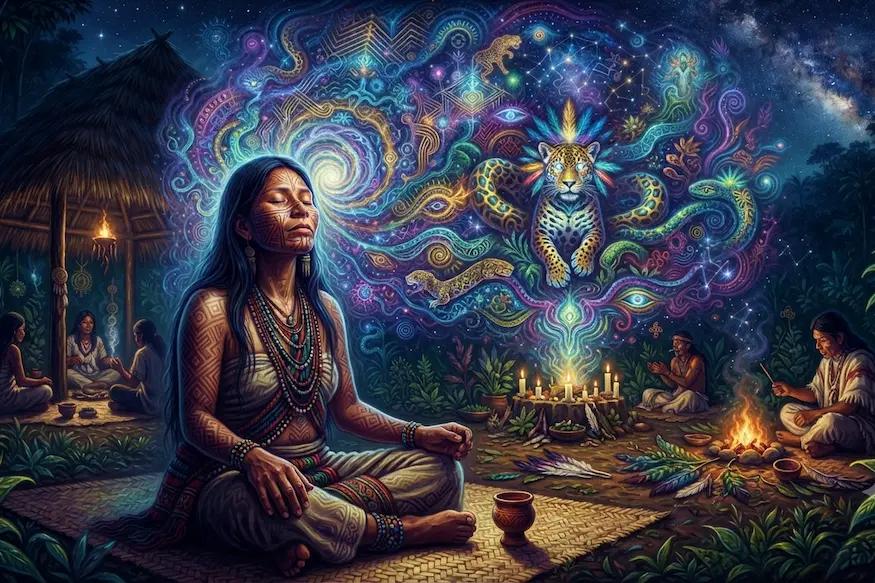
An experienced shaman creates and holds the ceremonial space before, during, and after the ayahuasca experience.
Their responsibilities include:
Preparing the Ceremony
Before participants arrive, the shaman prepares the ceremonial environment and establishes the energetic foundation for the session.
Serving the Medicine
The shaman carefully determines the appropriate amount of ayahuasca based on the needs and experience of each participant.
Guiding the Experience
Throughout the ceremony, the shaman helps participants navigate emotional, mental, and spiritual challenges that may arise.
Providing Protection
Traditional shamans use various techniques intended to maintain a safe ceremonial environment and support participants throughout the night.
Supporting Integration
Many experienced shamans offer guidance after the ceremony, helping participants understand and integrate their insights into daily life.
The Importance of Icaros
One of the most distinctive aspects of Peruvian ayahuasca ceremonies is the use of icaros.
Icaros are sacred healing songs learned through years of training and plant diets. These songs are considered an essential part of traditional ceremonies.
Many participants describe icaros as helping direct the experience, providing comfort during difficult moments, and facilitating emotional release and healing.
For experienced shamans, mastering icaros is one of the most important aspects of their training.
How Long Does It Take to Become an Ayahuasca Shaman?
Becoming a respected ayahuasca shaman is a lifelong path.
Traditional training often includes:
- Years of apprenticeship under elder healers
- Extended periods of isolation in the rainforest
- Strict dietary restrictions
- Study of medicinal plants
- Learning healing songs and ceremonies
- Spiritual discipline and personal development
Many traditional shamans train for ten years or more before leading ceremonies independently.
This extensive preparation is one reason why choosing an experienced and authentic shaman is so important.
Why Peru Is Considered the Home of Ayahuasca
Although ayahuasca is used in several South American countries, Peru has become one of the leading destinations for traditional ayahuasca retreats.
Reasons include:
Ancient Indigenous Knowledge
Peru is home to numerous Indigenous cultures that have preserved ayahuasca traditions for generations.
Rich Biodiversity
The Peruvian Amazon contains one of the world’s greatest concentrations of medicinal plants.
Experienced Healers
Many of the most respected ayahuasca shamans come from communities that have practiced plant medicine for centuries.
Authentic Retreat Centers
Peru offers a wide range of retreat centers that combine traditional wisdom with modern safety standards and professional support.
How to Choose a Genuine Ayahuasca Shaman in Peru
Not all ayahuasca experiences are the same. Choosing the right retreat and shaman can significantly influence your journey.
When researching a retreat, consider:
Experience
Look for shamans with extensive training and a long history of working with ayahuasca.
Safety Protocols
Professional retreats conduct medical screenings and provide clear preparation guidelines.
Small Group Sizes
Smaller groups often allow for more personalized attention and support.
Integration Support
A quality retreat helps participants process and integrate their experiences afterward.
Transparency
Reputable centers openly share information about their facilitators, traditions, and safety practices.
The Relationship Between Ayahuasca and Nature
For many Peruvian shamans, healing is inseparable from nature.
The Amazon rainforest is viewed as a living source of wisdom and medicine. Traditional teachings emphasize respect for the natural world and recognize the interconnectedness of all life.
Participants often leave ceremonies with a deeper appreciation for nature, community, and their relationship with the Earth.
What Can People Learn From an Ayahuasca Shaman?
Every person’s experience is unique, but many participants report gaining insights related to:
- Personal growth
- Emotional healing
- Self-awareness
- Relationships
- Purpose and direction
- Connection with nature
- Spiritual exploration
Rather than providing answers, experienced shamans help create the conditions for individuals to discover their own understanding and healing.
Ayahuasca shamans in Peru are guardians of an ancient healing tradition that has survived for countless generations. Their knowledge, dedication, and connection to the medicinal plants of the Amazon make them an essential part of the ayahuasca experience.
While ayahuasca itself may attract attention, it is often the wisdom and guidance of the shaman that transforms a ceremony into a meaningful journey of self-discovery and healing.
For those seeking an authentic ayahuasca retreat in Peru, choosing experienced shamans, reputable retreat centers, and a supportive environment can help create a safe, respectful, and life-changing experience.
Frequently Asked Questions
Are ayahuasca shamans real healers?
Traditional ayahuasca shamans are respected healers within their communities. They undergo years of training in medicinal plants, ceremonial practices, and spiritual traditions.
Do all ayahuasca shamans belong to Indigenous communities?
Many traditional shamans come from Indigenous Amazonian cultures, although some healers have learned through long apprenticeships within these traditions.
What language do Peruvian shamans speak?
Depending on their background, shamans may speak Indigenous languages such as Shipibo, Asháninka, or Quechua, as well as Spanish. Many retreats also provide English-speaking facilitators.
How many ceremonies has a traditional shaman usually led?
Experienced shamans often have decades of experience and may have guided hundreds or even thousands of ceremonies throughout their careers.
Is Peru the best place to experience ayahuasca?
Peru is widely considered one of the most authentic destinations for ayahuasca because of its deep Indigenous traditions, experienced healers, and long history of plant medicine practices.