

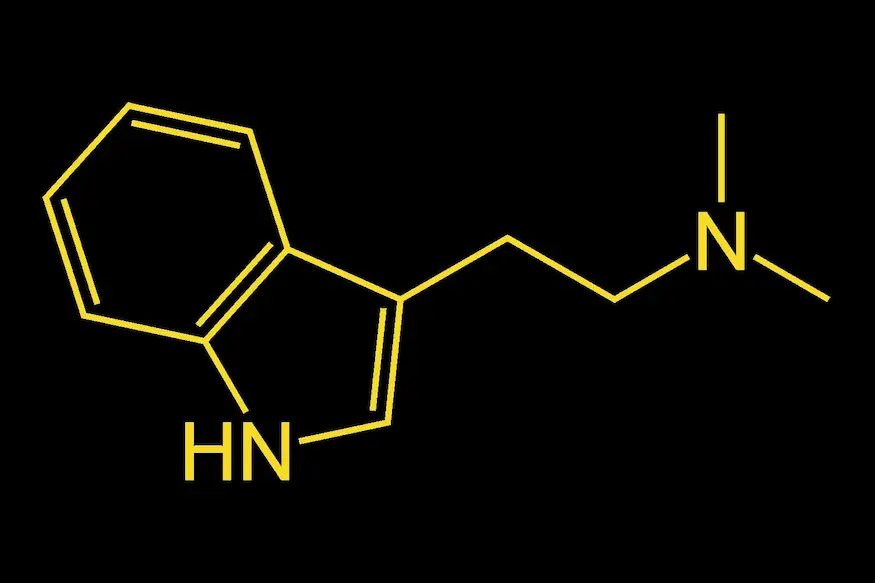
What Is DMT?
DMT (N,N-Dimethyltryptamine) is a naturally occurring psychedelic compound found in numerous plants, animals, and trace amounts within the human body. It is one of the most powerful psychedelic substances known and has attracted increasing attention from scientists, mental health researchers, and spiritual seekers alike.
For thousands of years, Indigenous peoples of the Amazon Basin have used plants containing DMT in sacred healing ceremonies. Today, DMT is best known as the primary psychoactive component in Ayahuasca, a traditional Amazonian plant medicine.
Although modern science is still uncovering the mysteries of DMT, researchers believe it may play a significant role in understanding consciousness, perception, and the human mind itself.
Is DMT Naturally Produced in the Human Body?
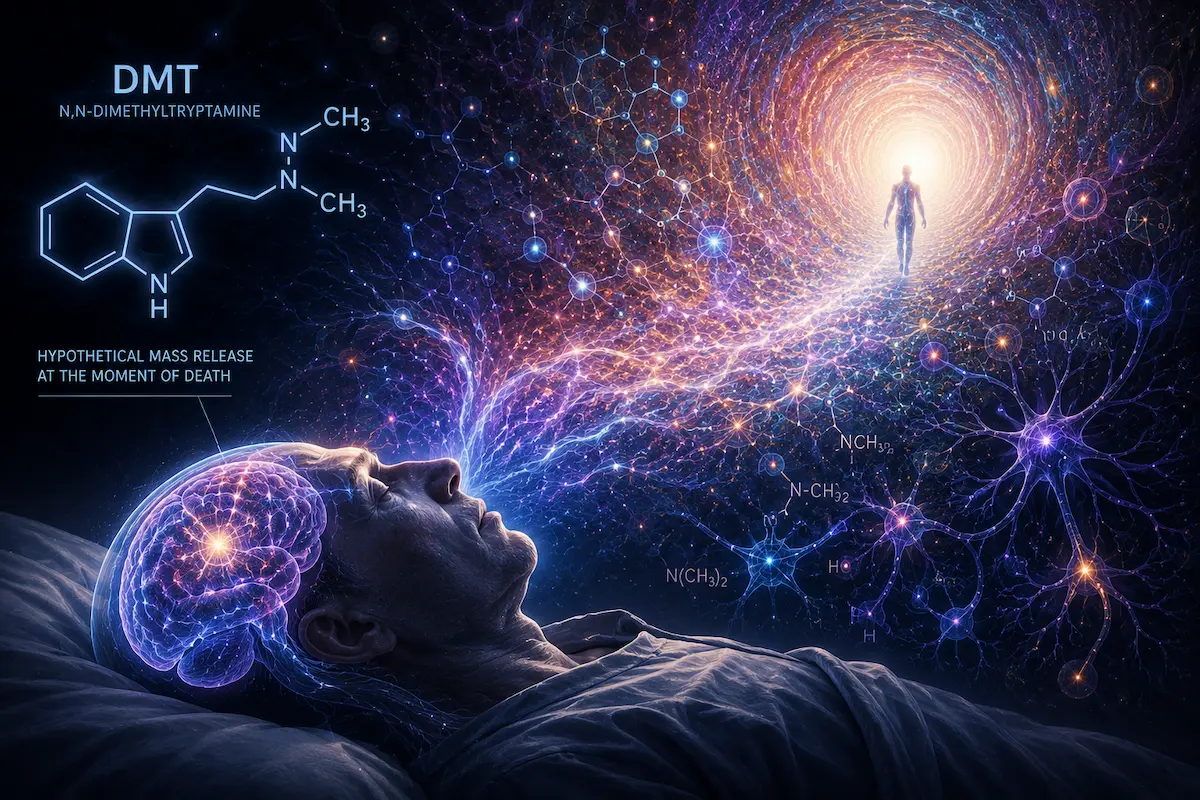
One of the most fascinating aspects of DMT is that it appears to occur naturally in the human body.
Researchers have detected trace amounts of DMT in human blood, urine, and other tissues. Scientists have also identified enzymes capable of producing DMT naturally.
For years, theories suggested that the pineal gland might produce DMT, particularly during dreams, birth, death, or mystical experiences. While this idea remains popular, current scientific evidence is still limited, and researchers continue to investigate its exact biological function.
What is clear is that DMT is not simply an exotic compound found in jungle plants—it is also connected to human biology in ways that remain largely unexplored.
How Does DMT Affect the Brain?
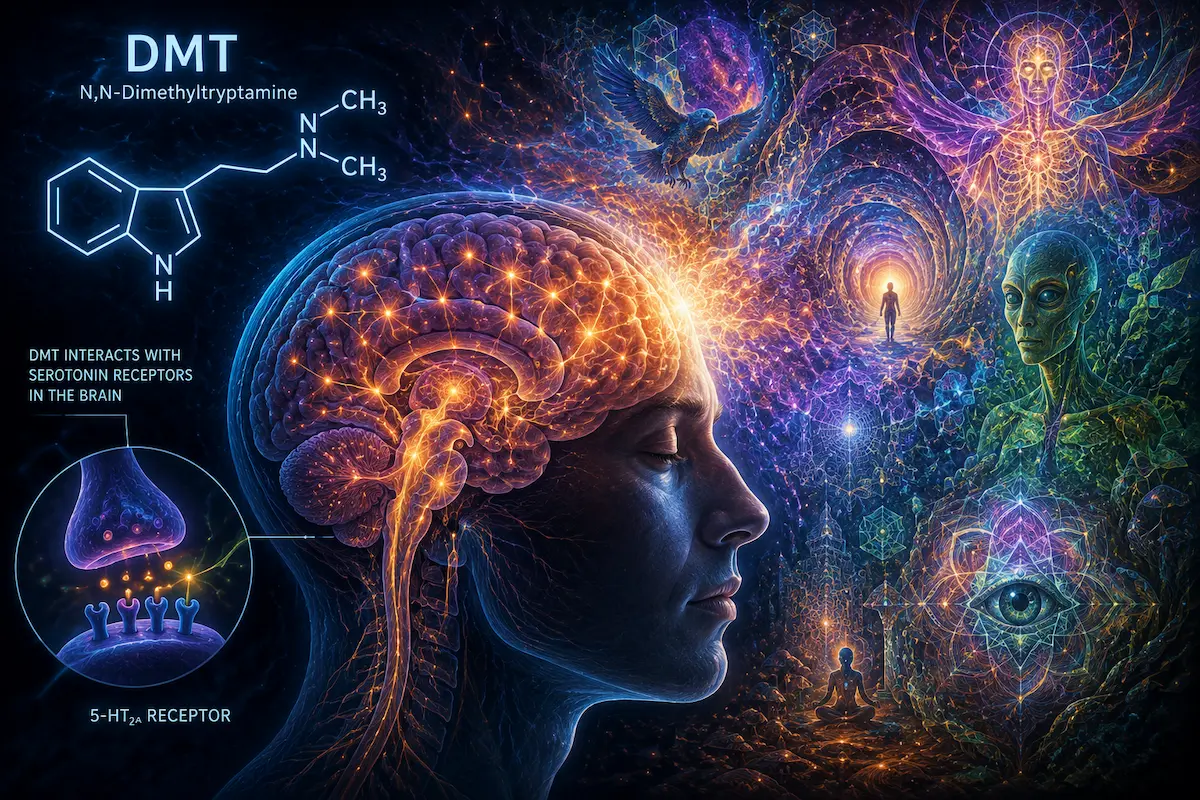
DMT primarily interacts with serotonin receptors, particularly the 5-HT2A receptor, which plays an important role in mood, cognition, imagination, and perception.
When DMT activates these receptors, the brain begins processing information differently. Users often experience:
Enhanced visual perception
Altered sense of time
Emotional breakthroughs
Increased introspection
Heightened awareness
Vivid dreams and visions
Recent studies suggest that DMT may also support neuroplasticity, the brain’s ability to create and reorganize neural connections. This process may help explain why some people report long-lasting changes in perspective following psychedelic experiences.
Scientists continue studying whether these effects could eventually support therapeutic approaches for depression, anxiety, and trauma.
DMT and Consciousness
Few substances have generated as much curiosity about consciousness as DMT.
Many researchers consider DMT an important tool for exploring how the brain constructs reality. Unlike ordinary waking consciousness, DMT can temporarily alter perception, identity, and awareness in profound ways.
During a DMT experience, individuals often report:
A sense of unity with everything around them
Dissolution of personal boundaries
Encounters with symbolic imagery
Expanded awareness
Deep spiritual insights
Feelings of timelessness
Because these experiences can feel more real than everyday life, DMT has become a major focus in the scientific study of consciousness.
While science cannot yet fully explain these states, researchers agree that DMT offers a unique opportunity to better understand the relationship between the brain and subjective experience.
Why Is DMT Called the Spirit Molecule?
DMT earned the nickname “The Spirit Molecule” because of the profound mystical experiences it can produce.
Many people describe DMT journeys as deeply spiritual, regardless of their religious beliefs or cultural background.
Common reports include:
Feelings of divine connection
Encounters with sacred symbols
Experiences of unconditional love
A sense of universal unity
Personal revelations
Greater appreciation for life
For some individuals, these experiences become transformative events that influence their worldview long after the effects have ended.
Although science does not classify DMT experiences as supernatural, researchers recognize that many participants consider them among the most meaningful experiences of their lives.
What Does DMT Feel Like?
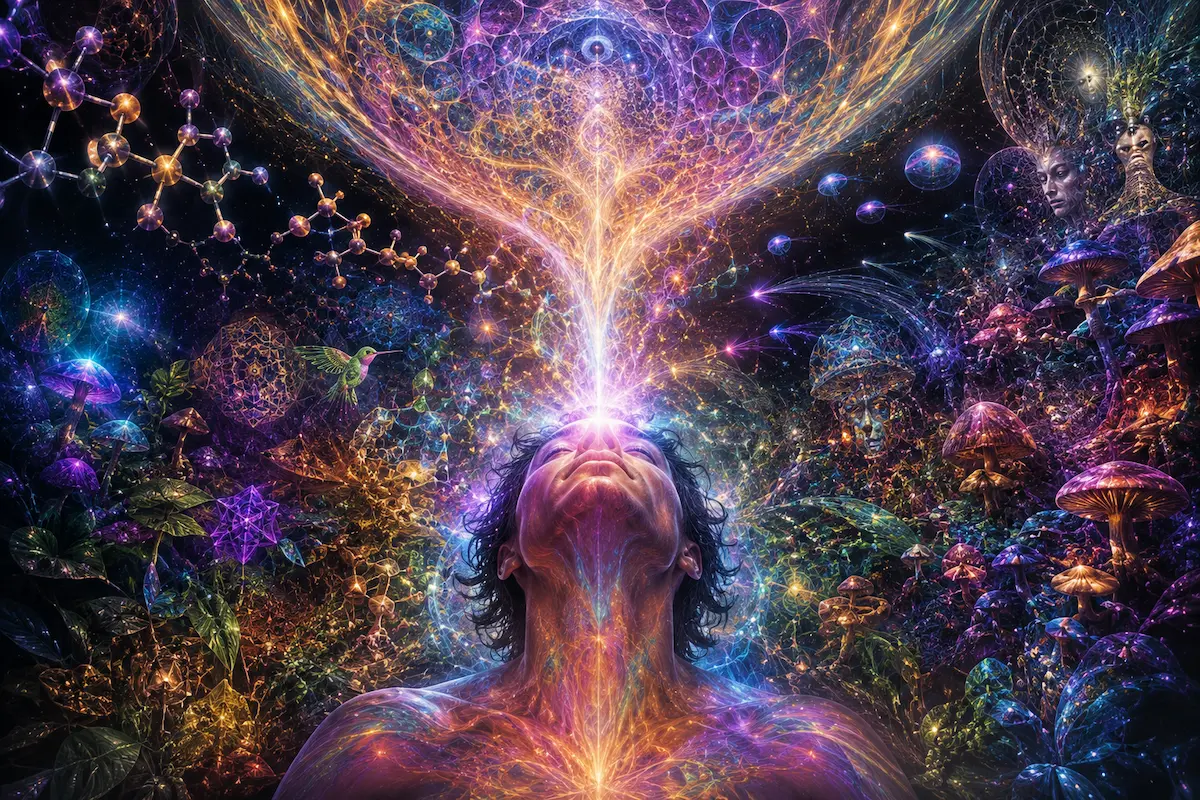
The effects of DMT can vary depending on dosage, preparation, environment, mindset, and individual sensitivity.
People commonly report:
Visual Effects
Bright colors
Sacred geometry
Complex patterns
Enhanced imagery
Dreamlike landscapes
Emotional Effects
Euphoria
Gratitude
Compassion
Emotional release
Increased self-awareness
Cognitive Effects
Expanded thinking
New perspectives
Increased creativity
Deep introspection
Altered perception of reality
Many users describe the experience as impossible to fully explain using ordinary language.
Why Are DMT Experiences So Spiritual?
One reason DMT experiences are often described as spiritual is their ability to temporarily reduce the activity of brain networks associated with the sense of self.
When this occurs, individuals may experience what researchers call “ego dissolution.”
Instead of feeling separate from the world, many people report feeling deeply connected to:
Nature
Humanity
The universe
Loved ones
Spiritual beliefs
Within traditional Amazonian cultures, these experiences are often viewed as opportunities for healing, learning, and reconnecting with the natural world.
For Indigenous communities, DMT-containing plant medicines have never been recreational substances. They have long been respected as sacred tools for personal growth and spiritual development.
How Long Does DMT Last?
The duration of DMT depends on how it is consumed.
| Method | Typical Duration |
|---|---|
| Smoked DMT | 5–20 minutes |
| Vaporized DMT | 10–30 minutes |
| Ayahuasca | 4–8 hours |
Smoked or vaporized DMT typically produces an intense but short-lived experience.
Ayahuasca, however, contains natural MAO inhibitors that prevent DMT from being rapidly broken down by the digestive system. This allows the experience to unfold gradually over several hours.
Because of this difference, Ayahuasca often provides more time for reflection, emotional processing, and integration.
DMT vs Ayahuasca: What Is the Difference?
Many people use the terms DMT and Ayahuasca interchangeably, but they are not the same thing.
DMT
DMT is a single psychedelic molecule.
Ayahuasca
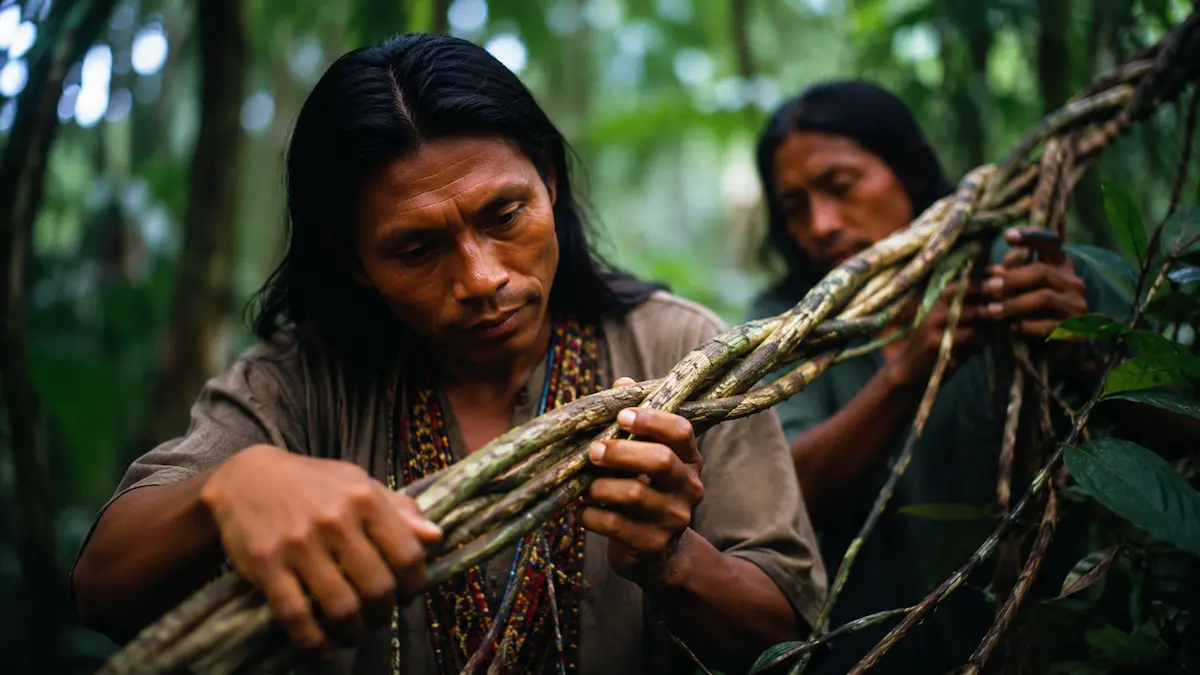
Ayahuasca is a traditional plant medicine brew prepared using multiple plants.
The brew typically combines:
Ayahuasca vine (Banisteriopsis caapi vine)
Chacruna leaves (Psychotria viridis)
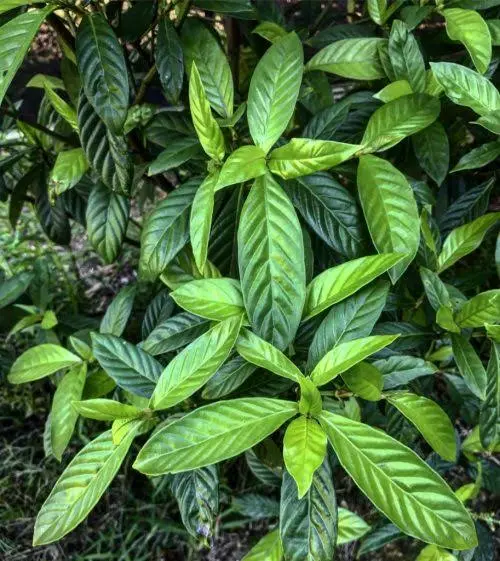
The Chacruna provides DMT, while the Ayahuasca vine contains MAO inhibitors that allow DMT to become orally active.
Simply put:
- DMT is the molecule.
- Ayahuasca is the traditional medicine that contains DMT.
Explore our comprehensive guide to Ayahuasca and learn about its effects, potential benefits, preparation, and much more. Click the link below to begin your journey of discovery.
Potential Benefits of DMT
Research into DMT is expanding rapidly, and scientists continue investigating its therapeutic potential.
Depression
Early studies suggest psychedelic-assisted therapies may help reduce symptoms of treatment-resistant depression.
Researchers believe DMT may help individuals break negative thought patterns and develop healthier perspectives.
Anxiety
Some participants report reduced anxiety after guided psychedelic experiences.
The experience may help individuals confront fears, unresolved emotions, and limiting beliefs.
Emotional Healing
Many people describe profound emotional releases during DMT experiences.
These experiences may support:
Self-understanding
Forgiveness
Emotional processing
Personal growth
Spiritual Growth
DMT experiences frequently inspire a stronger sense of meaning, purpose, and connection.
For many individuals, this spiritual dimension becomes one of the most valuable aspects of the journey.
Increased Psychological Flexibility
Researchers believe psychedelics may temporarily increase psychological flexibility, helping people adopt healthier habits and perspectives.
Risks and Side Effects of DMT
Despite its potential benefits, DMT is a powerful substance and should be approached responsibly.
Possible side effects include:
Increased heart rate
Elevated blood pressure
Dizziness
Nausea
Anxiety
Fear
Confusion
Emotional overwhelm
In rare cases, intense experiences may be psychologically challenging, particularly for individuals who are unprepared or lack proper support.
Set, setting, preparation, and experienced guidance are essential factors for safety.
Is DMT Safe?
Current research suggests that DMT has a relatively low risk of physical dependence.
However, this does not mean it is risk-free.
DMT may not be appropriate for everyone, particularly individuals with:
Certain psychiatric disorders
Severe cardiovascular conditions
Specific medication interactions
Anyone considering psychedelic experiences should consult qualified healthcare professionals and carefully evaluate potential risks.
Responsible preparation and professional guidance are essential.
The Role of DMT in Ayahuasca Healing
Within traditional Ayahuasca ceremonies, DMT is not viewed simply as a chemical compound.
Instead, it is considered one element of a broader healing process that includes:
Ceremony
Intention
Community
Integration
Spiritual guidance
Many participants report improvements in emotional well-being, self-awareness, and personal understanding following properly facilitated Ayahuasca experiences.
While scientific research continues to evolve, traditional cultures have worked with DMT-containing plants for generations as part of holistic healing practices.
The Future of DMT Research
Interest in DMT research has increased dramatically over the past decade.
Scientists are currently investigating its potential applications in:
Depression treatment
Anxiety disorders
PTSD
Addiction recovery
Neuroplasticity
Consciousness research
Although many questions remain unanswered, DMT continues to be one of the most promising and fascinating compounds in modern psychedelic science.
As research advances, we may gain a deeper understanding not only of DMT itself but also of the nature of consciousness and human healing.
Frequently Asked Questions
Is DMT legal?
The legality of DMT varies by country and jurisdiction. Always check local regulations before considering any psychedelic substance.
Is DMT naturally found in the human body?
Yes. Researchers have detected trace amounts of naturally occurring DMT in humans, although its exact biological role remains unknown.
How long does DMT last?
Smoked DMT typically lasts between 5 and 20 minutes, while Ayahuasca experiences may last 4 to 8 hours.
Is DMT the same as Ayahuasca?
No. DMT is a molecule, while Ayahuasca is a traditional plant medicine brew that contains DMT along with MAO-inhibiting plants.
Can DMT help with depression?
Early research shows promising results, but larger clinical studies are still needed before definitive conclusions can be made.
Why is DMT called the Spirit Molecule?
Because many users report profound mystical, spiritual, and transformative experiences during DMT journeys.
Best Ayahuasca Retreats
- Ayahuasca retreat near Cusco
- View the full itinerary for the 2-day ayahuasca retreat
- Retreat with two ayahuasca ceremonies
- Explore this healing journey
- Discover our 5-day ayahuasca retreat in the sacred valley
- Discover our week-long retreat
- Ayaterra Ayahuasca & San Pedro Retreat
- Ayaterra Ayahuasca & San Pedro 4 days