Xanga vs Ayahuasca: Understanding the Key Differences
Plant medicine has become more popular in recent years. Many travelers visit South America to explore traditional healing and spiritual practices. Two substances often mentioned are Xanga and Ayahuasca.
Although they are sometimes discussed together, they are very different. Their preparation, cultural roots, and effects are not the same. Understanding Xanga vs Ayahuasca is important for anyone considering an Ayahuasca retreat Peru or a healing journey in the Amazon.
This guide explains the differences in a clear and simple way so that even a young reader can understand.
What is Ayahuasca?
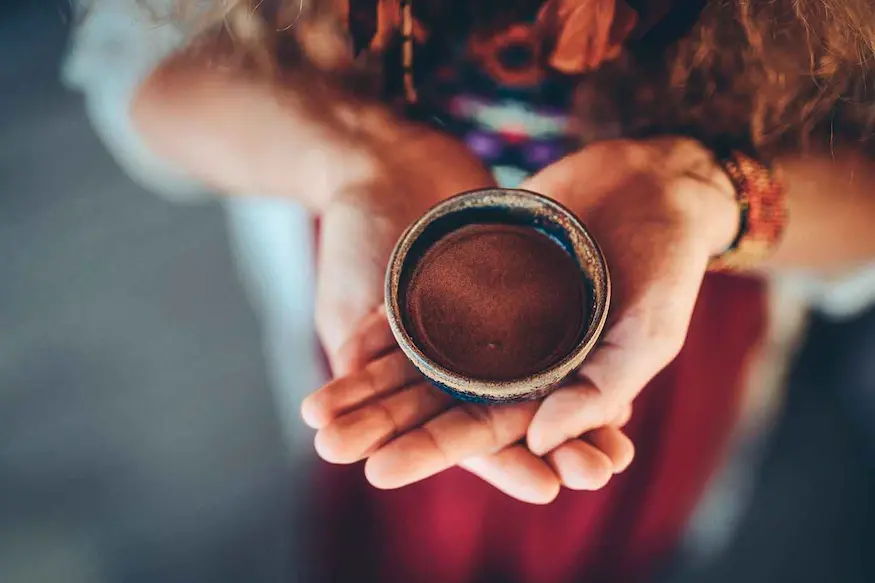
Ayahuasca is a traditional plant medicine used for centuries by Indigenous communities of the Amazon rainforest. It is made by slowly boiling two main plants together to create the Ayahuasca brew.
Explore our comprehensive guide to Ayahuasca and learn about its effects, potential benefits, preparation, and much more. Click the link below to begin your journey of discovery.
If you want to learn more about what Ayahuasca is, click the link.
The Most Popular Ayahuasca Retreats
What is Xanga?
Xanga (often spelled Changa) is very different from Ayahuasca.
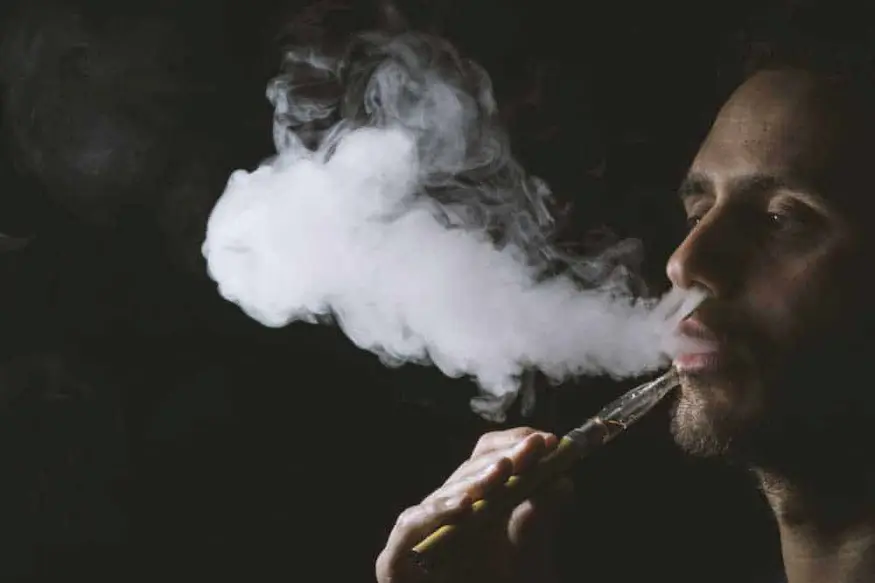
Instead of being a brewed drink, Xanga is a smokable blend of herbs infused with DMT, a powerful psychedelic compound. The herbs are mixed together and usually smoked in a pipe.
Unlike the traditional Ayahuasca brew, Xanga is not part of ancient Amazonian traditions. It is considered a more modern mixture.
The experience is also very different.
Characteristics of Xanga
• Usually smoked rather than drunk
• Effects start almost immediately
• Experience can be extremely intense
• Duration is much shorter than Ayahuasca
• Preparation varies depending on the blend
Because the mixture can change depending on who prepares it, the effects may be less predictable.
Xanga vs Ayahuasca: Key Differences
The table below highlights the main differences between Xanga vs Ayahuasca.
| Feature | Ayahuasca | Xanga |
|---|
| Form | Brewed tea | Smokable herbal blend |
| Tradition | Indigenous Amazon medicine | Modern mixture |
| Ceremony | Guided by Ayahuasca shaman | Often informal |
| Duration | 4–8 hours | 5–30 minutes |
| Preparation | Slow cooking of plants | Herbal mixture with DMT |
| Cultural roots | Ancient Amazon traditions | Contemporary practice |
These differences show why many travelers prefer traditional ceremonies led by experienced healers.
Pros and Cons of Ayahuasca
Pros
• Deep emotional and spiritual insight
• Long history in Amazonian traditions
• Ceremonies guided by experienced shamans
• Structured retreat environments
• Opportunity for personal healing and reflection
Cons
• Experience can be emotionally intense
• Physical purging may occur
• Requires preparation and dietary restrictions
• Not suitable for everyone
Many visitors choose a 3 day ayahuasca retreat to experience the medicine in a safe and supportive environment.
Pros and Cons of Xanga
Pros
• Effects begin very quickly
• Experience lasts a shorter time
• No long ceremony required
Cons
- Extremely intense effects
- Less traditional guidance
- Mixtures can vary widely
- Limited research compared to traditional plant medicines
- Can be overwhelming for beginners
Because of these factors, many experienced practitioners recommend caution.
Why Travelers Choose an Ayahuasca Retreat in Peru
Peru has become one of the most well-known destinations for traditional plant medicine ceremonies. The Amazon rainforest is home to many communities that have worked with medicinal plants for generations.
During an Ayahuasca retreat Peru, participants typically stay in nature for several days. A 3 day ayahuasca retreat may include preparation, ceremonies, and time for integration after the experience.
These retreats allow visitors to:
• Learn about Amazonian healing traditions
• Experience ceremonies guided by an Ayahuasca shaman
• Connect with nature in the rainforest
• Reflect on personal growth and healing
This structured environment helps people feel safer and more supported during their journey.
Safety and Respect for Plant Medicine
Medicinal plants should always be approached with care and respect. Traditional ceremonies are guided by people who have studied these plants for many years.
Anyone considering an Ayahuasca retreat Amazon should research retreat centers carefully and follow all preparation guidelines.
Understanding the differences between Xanga vs Ayahuasca can help visitors make informed decisions and approach plant medicine responsibly.
Recommendation from Ayaterra
The use of medicinal plants should always be done carefully. Plants like Ayahuasca and San Pedro have been used for a long time by local shamans and communities for healing purposes.
However, there are blends such as Xanga that still need more study to fully understand their effects and safety.
At Ayaterra, we do not recommend the use of Xanga if you are visiting Peru. Xanga is a mix of plants that locals may understand better due to their experience with medicinal plants, but for beginners it can be extremely intense and potentially dangerous.
It may also cause heart complications or overwhelming psychological effects, especially for those unfamiliar with plant medicine.
FAQ
Is Xanga the same as Ayahuasca?
No. Ayahuasca is a traditional Amazonian brew used in ceremonies, while Xanga is a smokable herbal blend with different preparation and effects.