


Ayahuasca is a traditional plant medicine from the Amazon rainforest that has been used for centuries by Indigenous communities for spiritual healing, self-reflection, and ceremonial purposes. In recent decades, Ayahuasca has attracted global attention as travelers and seekers visit South America to experience guided ceremonies and retreats.
This guide explains what Ayahuasca is, where it comes from, how it works, its benefits, risks, and the meaning behind Ayahuasca ceremonies and retreats.
What is Ayahuasca?

Ayahuasca is a psychoactive brew made from Amazonian plants traditionally used by Indigenous healers known as shamans.
The word Ayahuasca comes from the Quechua language:
Aya = spirit or soul
Huasca = vine or rope
Together, the meaning is often translated as “vine of the soul” or “vine of the spirits.”
Ayahuasca is consumed during guided ceremonies where participants seek emotional healing, spiritual insight, or personal transformation.
Ayahuasca Origin

The origin of Ayahuasca dates back thousands of years in the Amazon Basin, particularly in regions of Peru, Brazil, Colombia, and Ecuador.
Indigenous tribes such as:
Shipibo-Conibo
Asháninka
Shuar
Tukano
have preserved Ayahuasca traditions for generations.
These communities use Ayahuasca as part of their spiritual medicine systems, where shamans guide ceremonies to treat emotional, physical, and spiritual imbalances.
History of Ayahuasca

The history of Ayahuasca is deeply connected to Amazonian shamanism.
Archaeological evidence suggests that Ayahuasca use may date back over 1,000 years, although oral traditions claim its use is even older.
Traditionally, Ayahuasca ceremonies were used for:
Spiritual healing
Diagnosing illness
Communication with the spirit world
Community rituals
Personal guidance
In the 20th century, Ayahuasca spread beyond tribal communities and became known worldwide through anthropologists, researchers, and spiritual seekers.
Active Ingredient in Ayahuasca
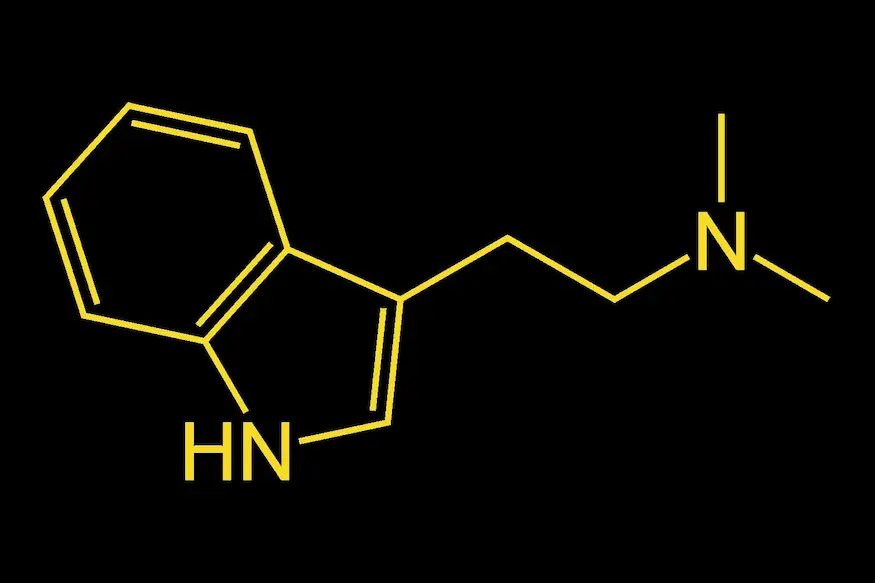
The main active compound in Ayahuasca is:
DMT (Dimethyltryptamine)
DMT is a naturally occurring compound found in many plants and even in small amounts in the human body.
However, when taken orally by itself, DMT is normally inactive.
The Banisteriopsis Caapi vine contains MAO inhibitors that allow the DMT to become active, producing the characteristic effects of Ayahuasca.
Ayahuasca Effects

The effects of Ayahuasca vary from person to person and usually last 4 to 6 hours.
Common experiences include:
- Visual patterns or visions
- Emotional release
- Deep introspection
- Heightened awareness
- Spiritual experiences
- Feelings of connection to nature or the universe
Many participants also experience physical purging, such as vomiting, which is considered part of the cleansing process in traditional ceremonies.
Negative Effects

Although many participants seek healing, Ayahuasca can also cause uncomfortable effects.
Possible negative effects include:
- Nausea
- Vomiting
- Intense emotions
- Anxiety or fear during visions
- Temporary confusion
Effects on the Brain

Research suggests that Ayahuasca may influence several areas of the brain related to perception, memory, and emotional processing.
Studies have shown that Ayahuasca may:
- Increase neural connectivity
- Affect serotonin receptors
- Activate brain regions related to self-reflection
- Reduce activity in the default mode network
These changes may help explain why many participants report new perspectives on personal challenges or emotional patterns.
Ayahuasca Benefits and Risks
Some participants report a variety of personal benefits after participating in ceremonies.
Potential benefits include:
- Emotional healing
- Increased self-awareness
- Reduced anxiety or depression symptoms
- Greater connection with nature
- Spiritual insight
- Personal growth
Potential Risks
- Psychological distress
- Interaction with medications
- Physical discomfort during the ceremony
- Unregulated retreat centers
FAQs
What is an Ayahuasca Ceremony?

An Ayahuasca ceremony is a guided spiritual ritual led by a trained shaman or facilitator.
The ceremony usually takes place at night and follows a traditional structure.
Typical elements include:
- Drinking the Ayahuasca brew
- Traditional chants called icaros
- Energy cleansing rituals
- Meditation and reflection
The goal of the ceremony is to create a safe space where participants can explore inner experiences.
What is an Ayahuasca Retreat?

An Ayahuasca retreat is a structured program where participants stay at a retreat center for several days.
Retreats usually include:
- Multiple Ayahuasca ceremonies
- Integration sessions
- Healthy meals
- Nature immersion
- Meditation or yoga
Many retreats take place in Peru, Costa Rica, and Brazil, where Ayahuasca traditions originate.
Is Ayahuasca a Drug?
Ayahuasca is sometimes described as a psychedelic substance, but within traditional Amazonian cultures it is considered plant medicine rather than a recreational drug.
Its use is ceremonial and spiritual, guided by trained healers.
However, in many countries Ayahuasca is regulated due to the presence of DMT.
Is Ayahuasca a Drink?
Yes, Ayahuasca is consumed as a dark herbal brew prepared from boiled Amazonian plants.
The taste is typically described as very bitter and earthy.
Is Ayahuasca a Religion?
Ayahuasca itself is not a religion, but it is used in several spiritual traditions.
Some churches, such as:
- Santo Daime
- União do Vegetal
use Ayahuasca as a sacrament in religious ceremonies.
How long do Ayahuasca effects last?
Most experiences last 4 to 6 hours, although emotional processing may continue afterward.
Is Ayahuasca safe?
When conducted responsibly with experienced facilitators, it can be relatively safe, but it is not suitable for everyone.
Can Ayahuasca cure depression?
Some studies suggest potential mental health benefits, but Ayahuasca is not a guaranteed treatment.
Do you always have visions?
Not necessarily. Some participants experience visions, while others experience emotional insights or physical sensations.
Can anyone participate in an Ayahuasca ceremony?
No. People with certain health conditions or who take certain medications may not be eligible.