

What is DMT?
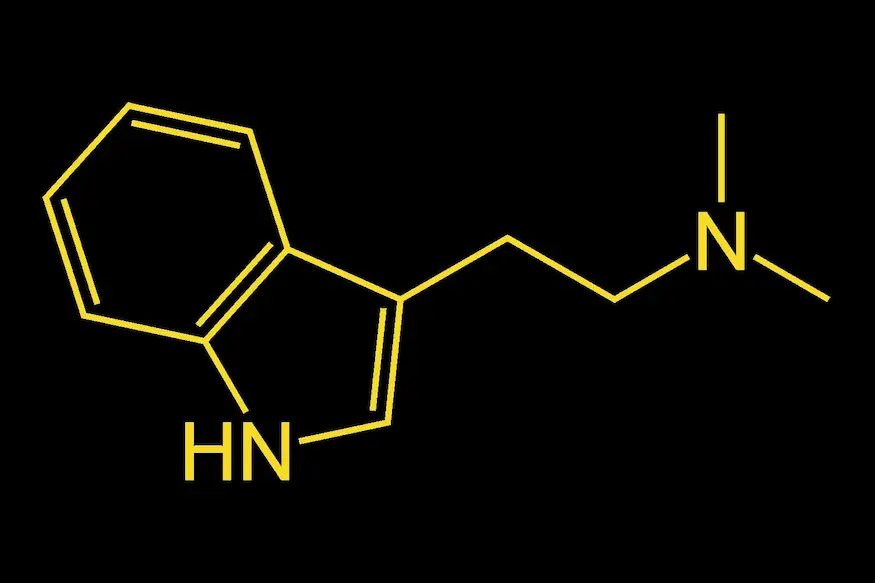
What is DMT?
DMT is a naturally occurring compound that has attracted increasing attention in scientific research, psychology, and discussions about plant medicine traditions. Many people searching online ask what is DMT, where it comes from, and how it relates to traditional Amazonian practices such as Ayahuasca ceremonies.
DMT stands for dimethyltryptamine, a molecule found in certain plants, animals, and even in trace amounts in the human body. It is known for producing powerful changes in perception and consciousness when activated through specific preparations.
In the Amazon rainforest, DMT is traditionally consumed through plant-based preparations that combine different natural ingredients. One of the most well-known examples is the Ayahuasca brew, where plants containing DMT are combined with other plants that activate its effects.
Understanding DMT helps explain why certain plants used in Amazonian traditions have such a profound impact on human perception and introspection.
What Does DMT Stand For?
DMT stands for dimethyltryptamine, a naturally occurring chemical compound belonging to the tryptamine family. Tryptamines are molecules related to important neurotransmitters in the human brain, such as serotonin.
Because of its molecular structure, dimethyltryptamine interacts with certain receptors in the brain that influence perception, mood, and cognition.
Scientists have studied DMT for decades to better understand how it affects consciousness and how it may relate to human perception and neurological processes.
Where Does DMT Come From?
One of the most fascinating aspects of DMT is that it appears in many natural environments.
Researchers have found DMT in:
- various plant species
- certain animals
- marine organisms
- trace amounts in mammals
In the Amazon rainforest, some plants naturally contain DMT in their leaves or bark. These plants have been used for centuries by Indigenous communities in traditional plant medicine practices.
Among the best known DMT-containing plants are:
- chacruna (Psychotria viridis)
- chaliponga (Diplopterys cabrerana)
These plants are commonly associated with traditional Amazonian preparations.
DMT in Nature
DMT is surprisingly widespread in nature. Scientists have discovered this compound in hundreds of plant species across different continents.
Plants that contain DMT are often found in tropical regions, particularly in South America where biodiversity is extremely high.
In many traditional cultures, these plants have been respected for their role in spiritual practices and healing rituals.
The presence of DMT in plants has fascinated researchers because it suggests that the compound may play a broader biological role in nature that is not yet fully understood.
DMT in Ayahuasca
One of the most well-known traditional preparations involving DMT is the Ayahuasca brew.
Ayahuasca is typically prepared by combining two types of plants:
- plants containing DMT
- plants containing natural MAO inhibitors
The MAO inhibitors allow the DMT to become active when consumed orally.
One commonly used plant containing DMT is the chacruna plant, scientifically known as Psychotria viridis.
If you would like to learn more about how this plant is used in traditional preparations, you can read our guide about the chacruna plant.
You can also learn more about the cultural background of this traditional brew in our article:
👉 https://ayaterracenter.com/about-the-ayahuasca/
Effects of DMT
DMT is known for producing profound changes in perception and awareness.
Reported experiences may include:
- vivid visual imagery
- altered sense of time
- emotional introspection
- heightened awareness
- feelings of connection with nature or the universe
The intensity and nature of these experiences can vary depending on many factors such as the environment, preparation method, and the individual participant.
In traditional contexts, the experience is guided by experienced facilitators and takes place within a ceremonial setting.
Is DMT Safe?
Scientific research on DMT is still developing, and researchers continue to study its effects and potential risks.
Like many powerful substances that affect perception, DMT should always be approached with caution and respect.
Potential risks may include:
- psychological discomfort
- confusion during intense experiences
- interaction with certain medications
For this reason, traditional ceremonies involving DMT-containing plants are typically conducted under the guidance of experienced facilitators who are familiar with the cultural practices surrounding these plants.
Anyone interested in learning about traditional preparations should seek reliable information and approach the topic with respect for the cultures that have preserved these practices.
FAQs
Where is DMT found?
DMT occurs naturally in many plant species, particularly in tropical regions such as the Amazon rainforest.
Is DMT found in plants used in Ayahuasca?
Yes. Certain plants used in traditional Amazonian preparations contain DMT, including the chacruna plant (Psychotria viridis).
Is DMT naturally occurring?
Yes. DMT occurs naturally in several plants and has also been detected in trace amounts in mammals.
Why is DMT important in Amazonian traditions?
In traditional Amazonian practices, plants containing DMT are used in ceremonial contexts that focus on introspection, spiritual exploration, and cultural rituals.