


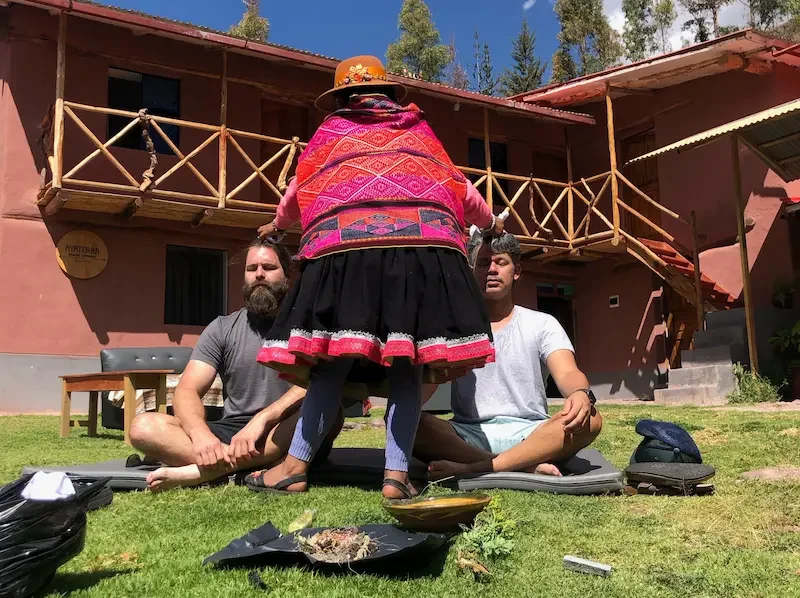
Our 3-Day Ayahuasca Retreat is designed for those seeking a deeper healing experience than a single ceremony can provide.
Over three days, you’ll participate in two traditional ayahuasca ceremonies guided by experienced Shipibo-Konibo shamans from the Peruvian Amazon. Between ceremonies, you’ll have time to rest, reflect, and integrate your experience in the peaceful surroundings of Peru’s Sacred Valley.
This retreat allows you to disconnect from daily distractions and fully focus on your personal journey. Many participants find that the second ceremony helps deepen insights, release emotional blockages, and gain greater clarity about their lives.
Retreat Highlights
- 3-day / 2-night guided healing retreat
- 2 Ayahuasca ceremonies in a dedicated Maloka
- Andean + Amazonian spiritual traditions
- Coca leaf reading + Kuti energetic alignment
- Massage session + medicinal plant steam bath
- Integration circles after each ceremony
- Private conversation with the shaman
- Pachamama offering to close the retreat
- Small-group setting with personalized support
- Bilingual facilitators throughout the retreat
What is included
- Pick-up service from Cusco Airport
- Detox ceremony with medicinal volcanic water
- English / Spanish / Quechua-speaking coordinator during the retreat
- Round-trip transportation (Cusco hotel / retreat center / Cusco)
- Local native Ayahuasca shaman
- Local Andean shaman
- Traditional Ayahuasca brew
- Logistics for Andean ceremonies (Kuti & Pachamama offering)
- Private coca leaf reading
- 2 Ayahuasca ceremonies
- Psychological support
- Daily support and guided conversations about the ceremonies
- 1 massage session
- Steam bath with medicinal plants
- Cook staff
- 2 nights accommodation
- Access to retreat center facilities
- 2 breakfasts
Itinerary
Day 1Ceremony day
Pick-up from your hotel in Cusco City
Our team will pick you up from your hotel in Cusco and transfer you to the retreat center in the Sacred Valley. The journey allows you to begin disconnecting from the city and preparing mentally and emotionally for your retreat experience.
Welcome at Ayaterra Center & Facility Orientation
Upon arrival, you will be warmly welcomed by the Ayaterra staff. We will introduce you to the retreat center, including the ceremonial spaces, resting areas, and natural surroundings, so you feel comfortable and familiar with the environment where your healing journey will take place.
Introduction Meeting with Staff & Shamans (Maestros)
We begin with an opening meeting where you will meet the shamans (Maestros) and support team. During this session, we explain the retreat flow, the purpose of each ceremony, and important guidance on preparation, intention, and how to approach the experience with respect and openness.
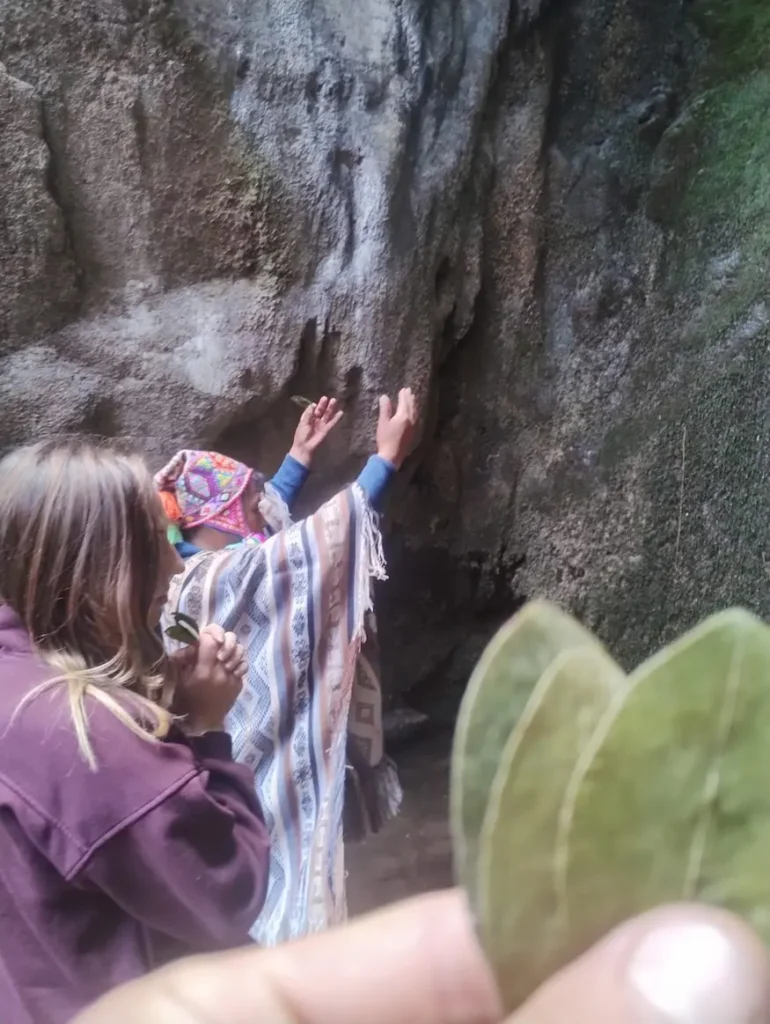
Ceremony for the Unification of the Andean Elements (with Coca Leaves)
This traditional Andean ceremony is performed as a sacred opening ritual to harmonize your energy with the natural and spiritual elements of the Andes. Through the use of coca leaves, the shaman helps create a grounded and respectful beginning for the retreat.
Private Coca Leaf Reading with an Andean Shaman
You will receive a personal coca leaf reading in a private session with an Andean shaman. This ceremony offers spiritual insight and guidance, helping you better understand your current emotional and energetic state before the Ayahuasca ceremony.
Kuti Ceremony (Energetic Alignment) with an Andean Shaman
The Kuti ceremony is an Andean energetic alignment ritual intended to help clear, balance, and prepare your energy field. This ceremony supports emotional grounding and allows participants to enter the Ayahuasca experience with greater harmony and intention.
Rest, Reflection & Quiet Time at the Retreat Center
After the Andean preparation ceremonies, you will have time to rest and relax around the property. This quiet time is important for integration, reflection, and conserving energy before the evening ceremony.
Reunion & Preparation in the Main Ceremonial Room (Maloka)
Participants gather in the Maloka for final preparation before the ceremony. This is a calm and intentional moment to settle the mind, reconnect with your purpose, and receive any final instructions from the facilitators and shamans.
First Ayahuasca Ceremony
The first Ayahuasca ceremony begins in a safe, sacred, and carefully guided setting. Led by experienced shamans and supported by the Ayaterra team, this ceremony is focused on introspection, emotional release, spiritual connection, and personal healing.
Day 2Integration and return
Breakfast
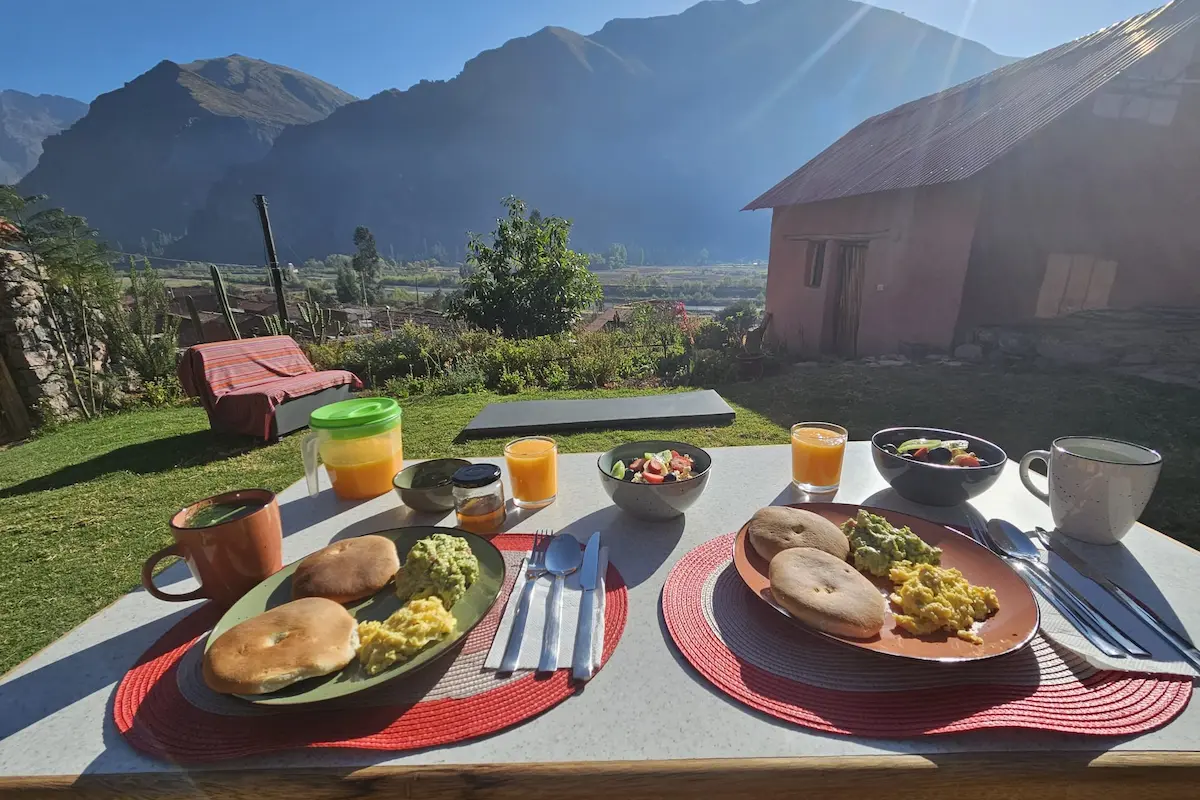
A light breakfast is served at the retreat center to gently nourish your body after the ceremony and support your recovery in a calm and peaceful environment.
Group Integration Meeting (Sharing Circle & Vision Guidance)
Participants gather for a group sharing circle to talk about the previous night’s Ayahuasca ceremony. This meeting offers a supportive space to express emotions, share insights, and receive guidance from the shamans and facilitators regarding visions and personal experiences.
Private Conversation with the Shaman
You will have a one-on-one conversation with the shaman to discuss your experience in greater depth. This private session provides personalized spiritual guidance, clarity, and support for understanding and integrating what arose during the ceremony.
Massage Session
A restorative massage session is included to help release physical tension, promote relaxation, and support the body’s recovery and energetic balance during the retreat.
Steam Bath with Medicinal Plants
In the afternoon, you will experience a steam bath with medicinal plants as part of the retreat’s cleansing and preparation process. This traditional practice is intended to support relaxation, purification, and energetic renewal before the second Ayahuasca ceremony.
Rest & Personal Reflection
You will also have time to rest, hydrate, and reflect in the peaceful surroundings of the retreat center before the evening ceremony.
Reunion & Preparation in the Main Ceremonial Room (Maloka)
All participants gather again in the Maloka for final preparation and grounding before the second Ayahuasca ceremony.
Second Ayahuasca Ceremony
The second Ayahuasca ceremony offers an opportunity to deepen the healing process and continue your spiritual and emotional work in a guided ceremonial setting with the support of shamans and facilitators.
Day 3Integration and return
Breakfast
A light breakfast is served to begin the final day of the retreat in a grounded and nourishing way.
Group Integration Meeting (Sharing Circle & Vision Interpretation)
In this final integration circle, participants share experiences from the second ceremony and receive additional guidance from the shamans and facilitators to help process insights and close the retreat with greater understanding.
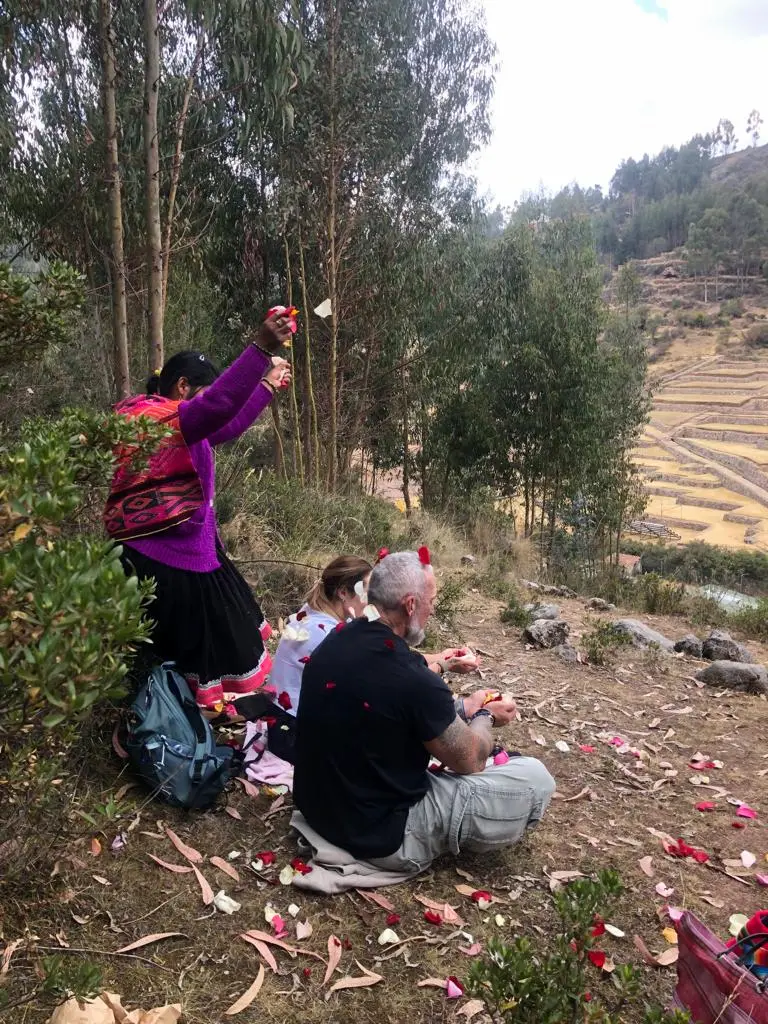
Pachamama Ceremony (Offering to Mother Earth)
To close the retreat, we perform a traditional Pachamama offering ceremony. This sacred ritual is an act of gratitude, respect, and connection with Mother Earth, honoring the healing, lessons, and spiritual support received throughout the retreat.
Group Photo with Staff & Shamans
We conclude the experience with a group photo alongside the Ayaterra team and shamans as a meaningful memory of your time in ceremony and healing in the Sacred Valley.
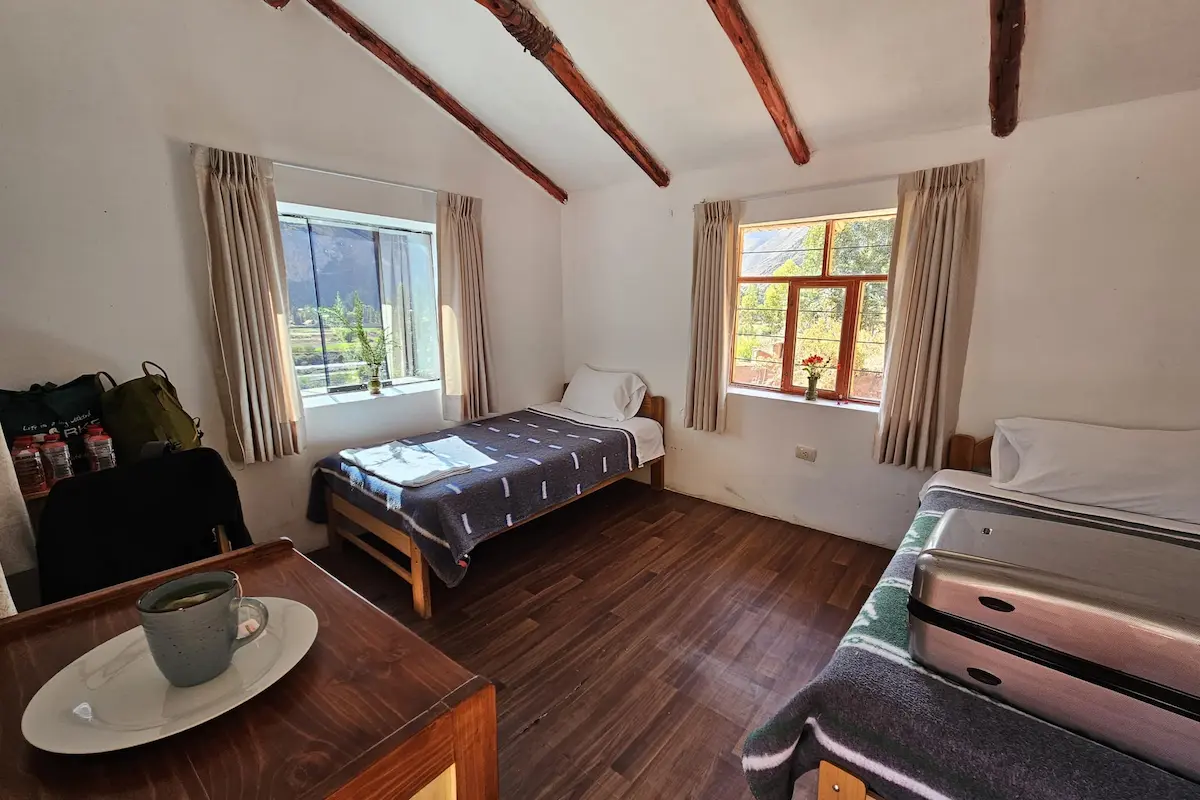
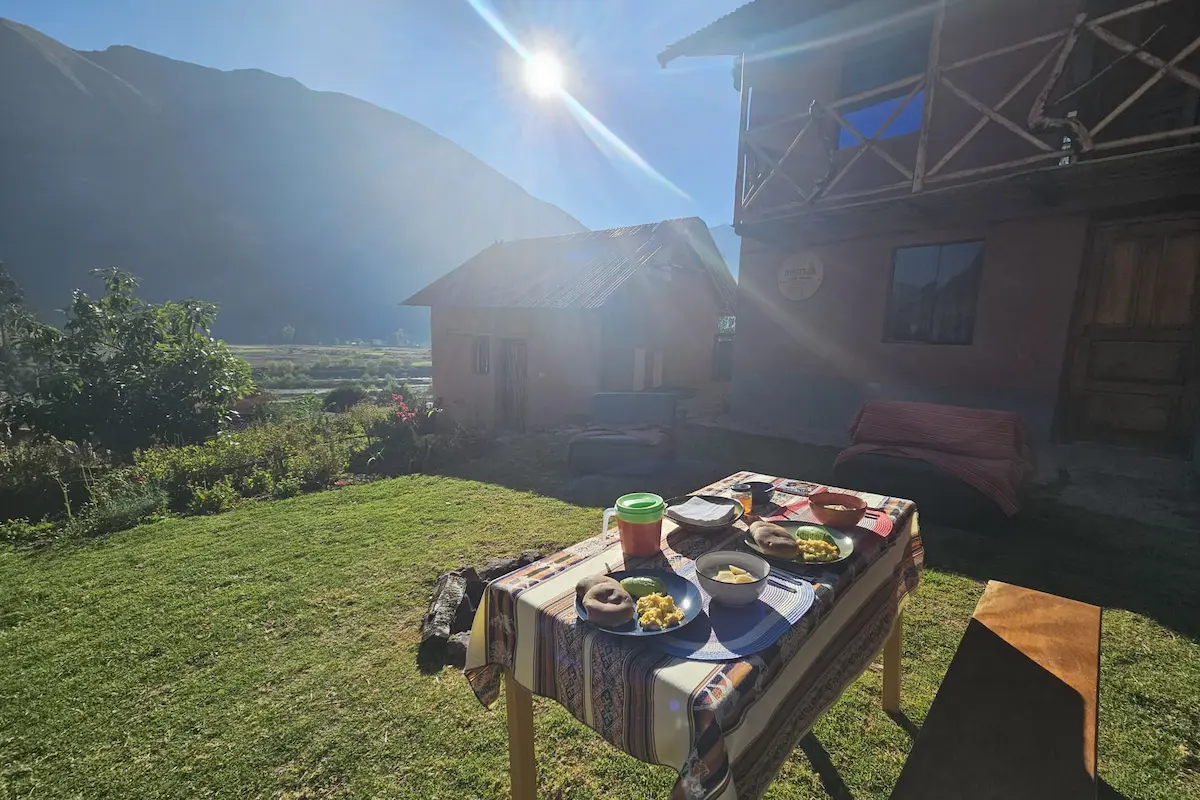
Accommodation and retreat spaces
Before your retreat
Diet and preparation
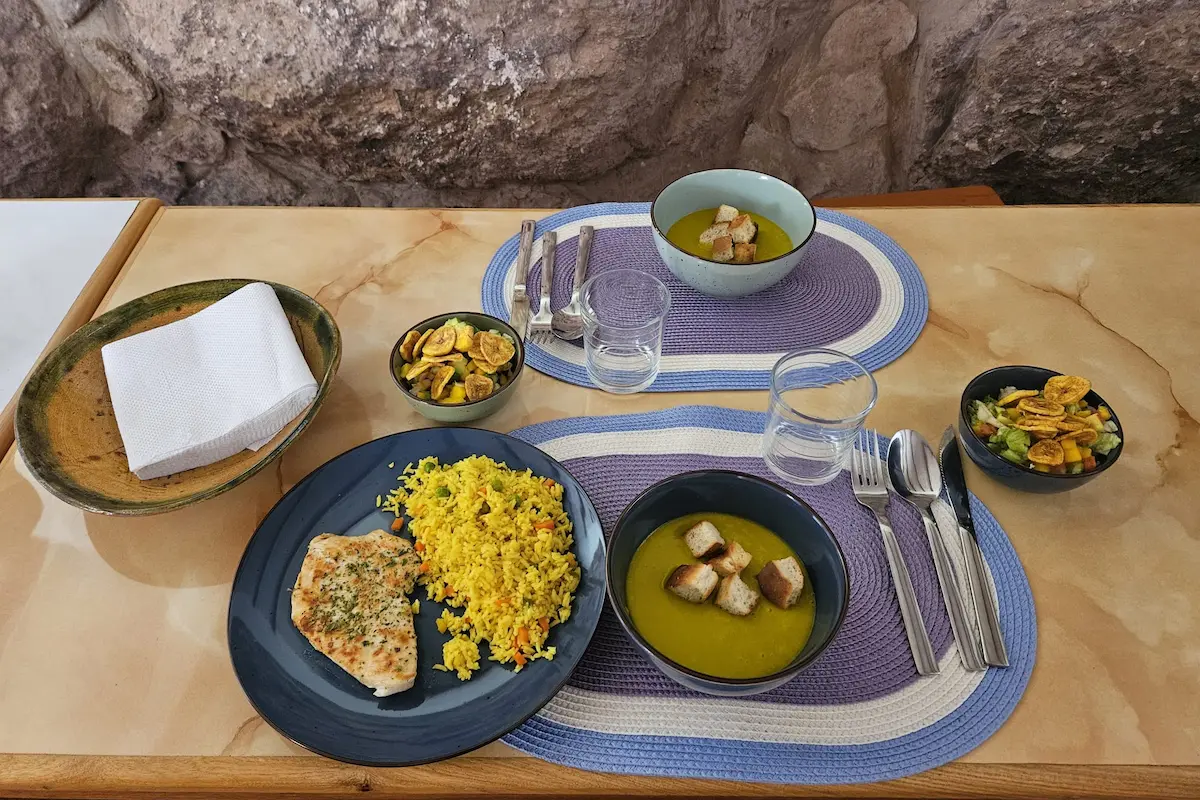
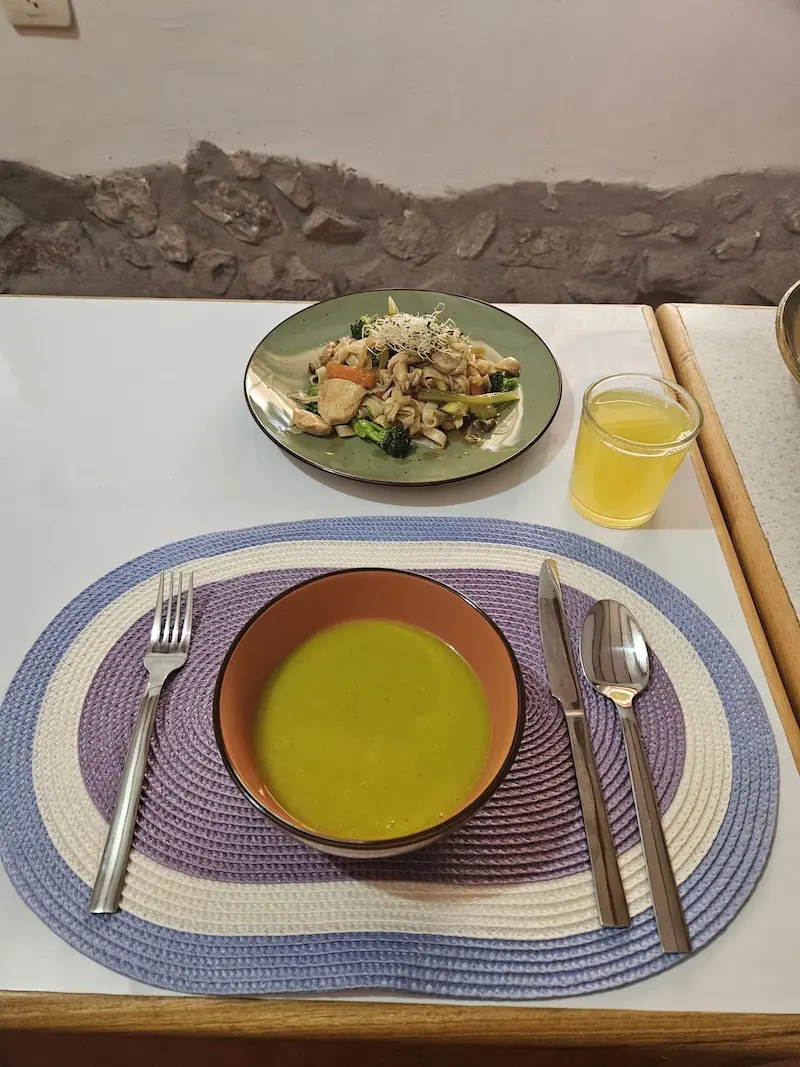
Following a proper Ayahuasca diet helps reduce discomfort and supports a safer, clearer experience. We recommend eating light, avoiding alcohol, processed foods, and caffeine, and preparing both physically and mentally before your ceremony.
Real moments at Ayaterra
See the retreat experience
A retreat experience in Cusco
At Ayaterra in the Sacred Valley
Guest experiences
Reviews from our community
Independent feedback from guests who have experienced Ayaterra.
Based on 39 Google reviews
I feel very grateful that I attended the ayahuasca ceremony alone. Having the entire space to myself made the experience feel very personal and safe. The place was very clean, and the food was beautiful, healthy, and delicious, which made me feel well taken care of. This is my second day after the ceremony, and I still find it hard to believe what I experienced. During the ceremony, everything felt very real and intense, but now it feels almost dreamlike, and I sometimes wonder if it really happened. All of the staff were extremely kind and supportive, especially when I felt anxious. Their presence helped me feel safe and grounded. My first and second ceremonies were completely different experiences, so I would recommend attending at least two ceremonies if possible. I am also very happy that I chose this place, as their communication before my arrival was fast and reassuring.
View on GoogleI've been called to do this for years, and I'm so glad I waited until I found the right place. From the moment I booked, the communication was excellent. Andres was incredible, his English was great, which made everything so much easier. He explained exactly what to expect, the timings all ran to schedule, and I always felt fully informed. The shaman Master Nicolas didn't speak English, but having Andres there to translate everything throughout made me feel completely at ease. The property itself is beautiful. Incredible views, quiet, and you can just go for a walk and be in your own space. Exactly the kind of environment you need for this kind of inner work. What I really appreciated was how they introduced the medicine gradually, I did 5 days with 3 ceremonies (1 day rest after 2 days sitting with the medicine) starting with less on the first ceremony, building on the second, and the third being the most profound experience. That approach meant I could genuinely let go by the final ceremony in a way I don't think I would have been able to otherwise. And a special mention to Tatiana for the food, nourishing, delicious, and exactly what your body needs during those five days. I booked a small group but ended up being the only one there, and I'm genuinely grateful for that. Just me, the team, and the process. The support didn't stop when the ceremonies ended either, Andres prepared me for what to expect afterwards, which matters more than people realise. I couldn't recommend Ayaterra enough. I can't imagine having done this anywhere else.
View on GoogleI recently did a 5 day Ayahuasca retreat at Ayaterra Center. I am very pleased with my retreat. My personal experience was good, ayahuasca ceremony are quite intense and the experience can differ from person to person but in my experience to achieve a proper ceremony there other factors involved and it was not just about drinking the medicine and purging to get in the state of trance. Ayaterra Center offered good facilities, the surrounding are beautiful and peaceful. Living in midst of the mountains gave me peace and energy. It was perfect to take the long walks in the afternoon breaks and before the ceremonies to gather my thoughts. The rooms at the center are clean and the beds are comfortable, Tatiana (house keeper) makes amazing breakfast with fresh ingredients. As for the actual ceremonies the Shaman Master Nicolas guided me well. I had Jose and Andres coordinators are both very fluent in English and very aware of needs of new participants and supported me really well during my ceremonies and my overall stay at the center. I recommend Ayaterra Center to anyone who is interested in ayahuasca ceremonies in region of Cusco.
View on GoogleMy husband and I attended a 4-day Ayahuasca and San Pedro retreat, and it was such an incredible healing experience. The first night there was one other guest, a very kind man, and the rest of the retreat was just the two of us. We felt deeply cared for the entire time, and the shamans held such a safe and sacred space for healing. If you are high-maintenance or looking for a trendy, luxury-style retreat, this may not be the place for you. But if you are seeking a genuine healing experience that is deeply connected to the earth, with healthy meals, amazing guidance, and powerful medicinal ceremonies, I highly recommend this retreat. We are forever grateful to everyone who supported us during our stay.
View on GoogleFrequently asked questions
How many ceremonies are included in the 3-day ayahuasca retreat?
This retreat typically includes two traditional ayahuasca ceremonies, allowing participants to go deeper into the experience and better process their emotions, insights, and healing.
Is a 3-day ayahuasca retreat enough for a meaningful experience?
Yes, a 3-day ayahuasca retreat offers a balanced experience with time for preparation, ceremony, and integration. It is ideal for those seeking a deeper connection than a 1-day experience without committing to a longer retreat.
What is the difference between a 1-day and a 3-day ayahuasca retreat?
The main difference is depth. A 1-day retreat offers a single ceremony, while a 3-day retreat includes multiple ceremonies, more integration time, and a more immersive healing process.
Is the retreat safe for first-time participants?
Yes, the retreat is designed to be safe and supportive for beginners, with experienced shamans, trained facilitators, and proper guidance throughout the entire process.
Do I need prior experience with ayahuasca?
No, prior experience is not required. This retreat is suitable for both first-time participants and those returning for a deeper experience.
What kind of accommodation is included?
The retreat includes comfortable accommodations in the peaceful, natural setting of the Sacred Valley, making it the ideal place for rest, reflection, and healing.
What happens after the ayahuasca ceremonies?
After each ceremony, participants take part in integration sessions where they can reflect, share, and better understand their experiences with guidance from facilitators.
How do I book the 3-day ayahuasca retreat?
You can book your spot by contacting us directly or through our website. We recommend reserving in advance, as small-group retreats have limited availability.
 3 días
  2 Days
  4 Days
  Full Day
  5 Days
  7 Days
  3 Days
  3 Days
  4 Days
  2 Days
  Full Day