

San Pedro (Wachuma) Effects: Benefits, Risks & What to Expect
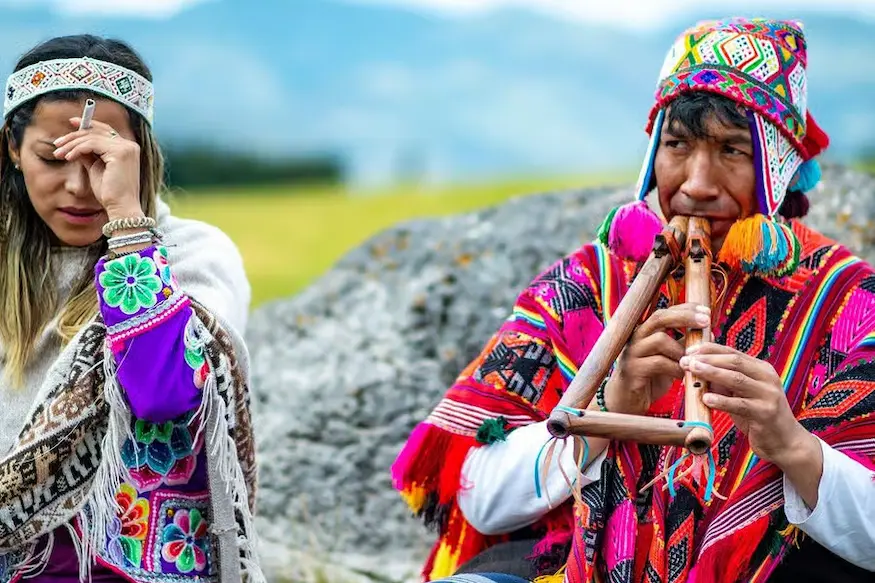
Discover the physical, emotional, psychological, and spiritual effects of San Pedro (Wachuma). Learn how long the experience lasts, possible side effects, potential benefits, and what to expect during a traditional ceremony.
Have You Ever Wondered What San Pedro Really Feels Like?
San Pedro, traditionally known as Wachuma, has been used for thousands of years by Indigenous Andean communities as a sacred plant medicine for healing, spiritual growth, and self-discovery. Today, it continues to attract people from around the world who seek emotional healing, mental clarity, and a deeper connection with nature.
One of the most common questions asked by first-time participants is the following:
“What does San Pedro actually feel like?”
The answer isn’t as simple as describing a list of symptoms or sensations.
Unlike many psychedelics that are known for producing intense hallucinations or overwhelming visual experiences, San Pedro is often described as a heart-opening medicine. Many participants report feeling calmer, more connected, emotionally open, and deeply present rather than disconnected from reality.
Some people experience powerful personal insights. Others reconnect with difficult emotions they have avoided for years. Many simply describe a profound sense of peace while walking through nature, watching the mountains, or sitting quietly in silence.
Every experience is different.
Your journey can be influenced by several factors, including:
- The amount of San Pedro consumed
- Your physical and mental health
- Previous experience with psychedelics
- Your mindset before the ceremony
- The ceremonial environment
- The experience of the facilitator or shaman
- Whether the ceremony takes place indoors or in nature
Because of these variables, no two ceremonies are exactly alike.
In this guide, you’ll learn what modern research and traditional Andean practice tell us about San Pedro’s effects, how long they last, the potential benefits and risks, and how to prepare for a safe and meaningful experience.
What Is San Pedro (Wachuma)?
San Pedro, scientifically known as Echinopsis pachanoi, is a fast-growing cactus native to the Andes of Peru, Ecuador, Bolivia, northern Chile, and parts of Argentina. Growing naturally at high elevations, it has played an important role in Andean spirituality for more than 3,000 years.
The traditional Quechua name for the cactus is Wachuma, and many Indigenous healers continue to use this name today.
For centuries, Wachuma has been used in ceremonies intended to promote healing, emotional balance, spiritual guidance, and harmony with Pachamama (Mother Earth). Unlike recreational drug use, these ceremonies are traditionally guided by experienced healers who combine the medicine with ritual, prayer, music, and nature.
The primary psychoactive compound found in San Pedro is mescaline, a naturally occurring psychedelic alkaloid. Mescaline temporarily alters perception and consciousness, allowing many participants to experience emotions, memories, and personal challenges from a different perspective.
However, many traditional practitioners believe that reducing Wachuma to its chemical composition misses the deeper purpose of the medicine.
In Andean traditions, San Pedro is viewed as a sacred teacher rather than simply a psychedelic substance. Its purpose is not to create extraordinary visions but to help restore balance between the individual, nature, and the spiritual world.
Why Do People Drink San Pedro?
Although every participant has their own reasons, most people do not attend a San Pedro ceremony simply to experience psychedelic effects.
Instead, they often seek the following:
- Emotional healing
- Personal growth
- Greater self-awareness
- Spiritual exploration
- Relief from chronic stress
- A stronger connection with nature
- Improved emotional resilience
- New perspectives on life
Unlike many substances that encourage escape, Wachuma is frequently described as helping people become more present with themselves and their surroundings.
Many participants leave a ceremony not because they “saw incredible visions” but because they felt more connected to their emotions, relationships, and purpose.
How Does San Pedro Affect the Brain?
The primary active compound in San Pedro is mescaline, which belongs to a group of naturally occurring psychedelic compounds known as phenethylamines.
Mescaline mainly affects the brain by interacting with serotonin receptors, particularly the 5-HT₂A receptor, which plays an important role in regulating:
- Mood
- Perception
- Emotions
- Learning
- Creativity
- Self-awareness
- Sensory processing
When these receptors become activated, communication between different brain regions temporarily changes.
Researchers believe this shift allows people to experience familiar thoughts and emotions from entirely new perspectives.
Many participants report the following:
- Greater emotional openness
- Increased empathy
- Reduced self-criticism
- Enhanced appreciation of beauty
- Greater mindfulness
- Improved creativity
- A stronger feeling of interconnectedness
Rather than shutting down rational thinking, many people describe San Pedro as reducing mental “noise,” making it easier to recognize emotional patterns that normally remain hidden beneath everyday stress and distractions.
Although research into mescaline is growing, scientists are still working to better understand how these temporary changes in brain activity contribute to the lasting psychological benefits reported by many participants.
Why Does San Pedro Feel Different From Other Psychedelics?
People often compare San Pedro with Ayahuasca, psilocybin mushrooms, or LSD because all of them can alter consciousness.
However, experienced facilitators frequently describe Wachuma as having a very different character.
While Ayahuasca is often associated with deep introspection, vivid visions, and intense emotional processing, San Pedro tends to feel slower, gentler, and more externally focused.
Many participants describe it as a medicine that encourages connection rather than confrontation.
Common descriptions include:
- Feeling deeply connected with nature
- Experiencing profound gratitude
- Becoming emotionally open without feeling overwhelmed
- Appreciating silence and simplicity
- Feeling mentally clear rather than confused
- Remaining present throughout most of the ceremony
- Developing greater compassion for oneself and others
This does not mean San Pedro is weak.
Powerful emotional breakthroughs, spiritual experiences, and life-changing realizations can still occur. However, they often develop gradually, allowing participants to integrate insights while remaining grounded in the present moment.
For this reason, many experienced facilitators consider San Pedro one of the most approachable traditional plant medicines for individuals seeking personal growth in a supportive ceremonial environment.
How Long Do San Pedro Effects Last?
San Pedro produces one of the longest-lasting experiences among traditional plant medicines.
Although every ceremony is unique, the overall timeline usually follows a predictable pattern.
| Stage | Approximate Duration | What You May Experience |
|---|---|---|
| Onset | 30–90 minutes | Mild nausea, body warmth, increased awareness |
| Come Up | 1–3 hours | Emotional openness, brighter colors, heightened senses |
| Peak | 3–6 hours | Deep introspection, connection with nature, expanded perception |
| Plateau | 6–8 hours | Emotional processing, gratitude, inner peace |
| Integration | 8–12 hours | Gradual return to normal awareness with lasting clarity |
Several factors influence the duration and intensity of the experience, including:
- Dosage
- Individual metabolism
- Body weight
- Whether the medicine was consumed on an empty stomach
- The preparation method
- Previous psychedelic experience
- Emotional state before the ceremony
Even after the noticeable psychedelic effects have disappeared, many participants describe an afterglow that can continue for several days. During this period, they often report improved mood, increased gratitude, emotional balance, and a greater appreciation for everyday life.
30 Common San Pedro (Wachuma) Effects
No two San Pedro ceremonies are exactly the same.
Some people experience profound emotional healing, while others notice enhanced creativity, a stronger connection with nature, or a renewed sense of purpose. The intensity of the experience depends on several factors, including the dosage, your mindset, the ceremonial environment, and your previous experience with plant medicines.
Although every journey is unique, the effects reported by participants tend to follow similar patterns.
The table below summarizes the most common physical, emotional, psychological, sensory, and spiritual effects associated with San Pedro.
| Effect | Category | How Common? | Description |
|---|---|---|---|
| Emotional openness | Emotional | ★★★★★ | Greater willingness to express emotions honestly. |
| Inner peace | Emotional | ★★★★★ | A deep feeling of calm and acceptance. |
| Mental clarity | Psychological | ★★★★★ | Thoughts become more organized and meaningful. |
| Connection with nature | Spiritual | ★★★★★ | Feeling united with the natural world. |
| Increased empathy | Emotional | ★★★★★ | Greater compassion toward yourself and others. |
| Gratitude | Emotional | ★★★★★ | Strong appreciation for life and simple experiences. |
| Personal insights | Psychological | ★★★★★ | New perspectives on relationships and life challenges. |
| Mindfulness | Psychological | ★★★★★ | Increased awareness of the present moment. |
| Self-acceptance | Emotional | ★★★★★ | Reduced self-judgment and greater compassion. |
| Expanded perspective | Psychological | ★★★★★ | Seeing problems from a broader viewpoint. |
| Physical relaxation | Physical | ★★★★☆ | Reduced muscular tension and greater comfort. |
| Heightened colors | Visual | ★★★★☆ | Colors appear brighter and richer. |
| Appreciation of music | Sensory | ★★★★☆ | Music often feels emotionally powerful. |
| Enhanced hearing | Sensory | ★★★★☆ | Natural sounds become more vivid. |
| Creativity | Cognitive | ★★★★☆ | Increased imagination and creative thinking. |
| Forgiveness | Emotional | ★★★★☆ | Letting go of emotional burdens. |
| Reduced anxiety | Emotional | ★★★★☆ | Temporary relief from excessive worrying. |
| Feeling interconnected | Spiritual | ★★★★★ | Sense of unity with life and humanity. |
| Emotional release | Emotional | ★★★★★ | Crying, laughing, or releasing suppressed emotions. |
| Appreciation of silence | Spiritual | ★★★★☆ | Quiet moments become deeply meaningful. |
| Body warmth | Physical | ★★★☆☆ | Gentle warmth spreading through the body. |
| Tingling sensations | Physical | ★★★☆☆ | Mild tingling in the hands or feet. |
| Mild nausea | Physical | ★★★☆☆ | Usually appears during the beginning of the ceremony. |
| Purging | Physical | ★★☆☆☆ | Vomiting may occur but is less common than with Ayahuasca. |
| Increased sensitivity to light | Sensory | ★★★☆☆ | Bright light may feel more intense. |
| Visual patterns | Visual | ★★★☆☆ | Gentle geometric shapes or flowing textures. |
| Altered sense of time | Psychological | ★★★★☆ | Time may appear slower or less important. |
| Dream-like thinking | Psychological | ★★★☆☆ | Thoughts become symbolic and imaginative. |
| Increased appreciation of life | Emotional | ★★★★★ | Renewed gratitude for everyday experiences. |
| Positive afterglow | Integration | ★★★★☆ | Emotional clarity lasting several days after the ceremony. |
Physical Effects of San Pedro
The physical effects of San Pedro usually develop gradually, making the transition into the experience smoother than many other psychedelics.
Most participants begin noticing subtle bodily sensations within the first hour after drinking the medicine. These sensations often become more noticeable before the emotional and psychological effects reach their peak.
Common physical effects include:
- Mild nausea during the onset
- Warm sensations throughout the body
- Muscle relaxation
- Increased body awareness
- Slight changes in balance
- Dilated pupils
- Reduced appetite
- Greater sensitivity to temperature
- Increased awareness of breathing
- Gentle tingling in the hands or feet
Unlike Ayahuasca, vomiting is not considered an expected part of every San Pedro ceremony. While some participants do purge, many complete the experience without any significant digestive discomfort.
Traditional Andean healers often view physical sensations as part of a natural cleansing process rather than something to fear.
Emotional Effects
Many experienced facilitators describe Wachuma as the medicine of the heart.
Instead of overwhelming participants with dramatic visions, San Pedro often creates an environment where emotions can be experienced with greater honesty and acceptance.
People frequently report feeling emotionally lighter after the ceremony because they are able to acknowledge feelings they have avoided for months—or even years.
Some of the most common emotional effects include:
- Greater self-compassion
- Increased empathy
- Reduced emotional numbness
- Deep gratitude
- Forgiveness toward oneself and others
- Greater patience
- Emotional resilience
- Improved self-confidence
- Strong feelings of love
- Acceptance of past experiences
For some participants, these emotional shifts happen gradually throughout the day. Others experience sudden moments of realization followed by tears, laughter, or an overwhelming sense of relief.
Rather than forcing emotions to surface, many people describe Wachuma as creating enough emotional safety to finally allow difficult feelings to be processed.
Psychological Effects
One of the most valued aspects of San Pedro is its ability to encourage deep self-reflection without completely disconnecting participants from reality.
Many people remain aware of their surroundings while simultaneously exploring thoughts and memories from a fresh perspective.
Common psychological effects include:
- Mental clarity
- Reduced overthinking
- Increased creativity
- Greater curiosity
- Expanded perspective
- New approaches to personal problems
- Enhanced concentration
- Symbolic thinking
- Increased mindfulness
- Stronger appreciation for meaningful relationships
Many participants describe feeling as though they are observing their own thoughts instead of being controlled by them.
This temporary shift can make long-standing habits, fears, and emotional patterns easier to recognize, providing valuable insights that continue to unfold long after the ceremony has ended.
Sensory and Visual Effects
Although San Pedro is classified as a psychedelic, its visual effects are often gentler than people expect.
Some participants notice only subtle changes, while others experience more pronounced alterations depending on the dosage and individual sensitivity.
Possible sensory changes include:
- Brighter colors
- Enhanced appreciation of natural landscapes
- Increased awareness of textures
- Richer perception of music
- Greater appreciation of silence
- Sharper sounds
- Gentle geometric patterns
- Flowing visual textures
- Increased perception of depth
- Mild enhancement of natural light
Many people report that the surrounding environment feels more alive rather than unreal.
Trees, mountains, rivers, and clouds often become the center of attention, which helps explain why traditional Wachuma ceremonies are frequently held outdoors in the Andes.
Spiritual Effects of San Pedro
For thousands of years, Indigenous Andean cultures have viewed Wachuma as more than a psychoactive cactus. It is considered a sacred teacher that helps restore harmony between the individual, nature, and the spiritual world.
While not everyone interprets their experience in spiritual terms, many participants describe moments that feel deeply meaningful and transformative.
Common spiritual effects include:
- A profound connection with nature
- Feeling interconnected with all living beings
- A renewed sense of purpose
- Increased gratitude for life
- Greater compassion toward others
- A feeling of inner peace
- Acceptance of life’s uncertainties
- A stronger relationship with oneself
- Moments of awe and wonder
- A deeper appreciation for silence and simplicity
Many people describe these experiences as difficult to explain with words. Rather than receiving clear answers, they often leave with a new perspective that helps them approach life with greater openness and balance.
Traditional ceremonies usually take place outdoors because mountains, rivers, forests, and open landscapes are considered important parts of the healing process. Participants often report feeling that nature itself becomes an active part of the experience.
Benefits of San Pedro (Wachuma)
Although scientific research on mescaline is still developing, both traditional use and modern studies suggest that San Pedro may offer meaningful psychological and emotional benefits when used responsibly in appropriate settings.
Reported benefits include:
Greater Emotional Awareness
Many participants become more aware of emotions they have ignored or suppressed. This increased awareness can make it easier to process grief, fear, sadness, or unresolved personal experiences.
Improved Mental Clarity
People frequently describe returning from a ceremony with a clearer understanding of their priorities, relationships, and personal goals.
Long-standing problems sometimes feel easier to understand because participants can view them from a different perspective.
Reduced Stress
Many people report feeling deeply relaxed during and after the ceremony.
This sense of calm may continue for several days, often referred to as the afterglow, during which participants experience improved mood and emotional balance.
Stronger Connection with Nature
One of the defining characteristics of Wachuma is the feeling of unity with the natural world.
Participants often develop a greater appreciation for mountains, rivers, trees, animals, and the environment, which may continue long after the ceremony ends.
Increased Compassion
Many people report becoming less judgmental toward themselves and others.
This shift often improves personal relationships and encourages healthier communication.
Personal Growth
A San Pedro ceremony may encourage participants to examine habits, fears, limiting beliefs, and life decisions with greater honesty.
Rather than providing simple answers, the experience often inspires meaningful self-reflection that continues during the integration process.
Possible Side Effects of San Pedro
Like any psychoactive substance, San Pedro can produce unwanted physical or psychological effects.
Most side effects are temporary and resolve naturally as the experience progresses.
Common side effects include:
- Mild nausea
- Vomiting
- Increased heart rate
- Dilated pupils
- Temporary dizziness
- Dry mouth
- Sweating
- Increased sensitivity to light
- Temporary anxiety
- Difficulty sleeping after the ceremony
- Reduced appetite
These effects usually decrease as the medicine wears off.
When ceremonies are conducted in a safe environment with experienced facilitators, participants can often manage these temporary discomforts more comfortably.
Is Purging Normal?
Many first-time participants worry about vomiting during a ceremony.
While purging is strongly associated with Ayahuasca, it is generally less common with San Pedro.
Some participants experience:
- Vomiting
- Burping
- Sweating
- Emotional crying
- Deep sighing
- Frequent urination
Traditional Andean healers often interpret these reactions as part of the body’s natural cleansing process.
However, purging is not considered necessary for a meaningful or successful San Pedro experience.
Many participants report profound emotional and spiritual benefits without vomiting at all.
Can San Pedro Cause a Bad Trip?
The term “bad trip” is commonly used to describe overwhelming psychedelic experiences involving fear, confusion, or panic.
Although San Pedro is often considered gentler than many other psychedelics, difficult moments can still occur.
Possible challenges include:
- Temporary anxiety
- Emotional discomfort
- Fear of losing control
- Confronting painful memories
- Confusion during intense moments
- Feeling physically uncomfortable
These experiences do not necessarily indicate that something has gone wrong.
In many cases, difficult emotions become opportunities for personal growth when participants receive appropriate support.
Experienced facilitators play an important role by helping participants remain calm, grounded, and emotionally supported throughout the ceremony.
What Factors Influence the Effects of San Pedro?
No two ceremonies are identical because many variables affect the overall experience.
The most important factors include:
Dosage
Higher doses generally produce stronger psychological and sensory effects.
Lower doses often create a gentler, more introspective experience.
Mindset (Set)
Your expectations, emotional state, and personal intentions can significantly shape the experience.
Approaching the ceremony with openness rather than fear often leads to a more positive journey.
Environment (Setting)
The location of the ceremony matters.
Natural surroundings, experienced facilitators, and a calm atmosphere help participants feel safe and supported.
This is one reason traditional ceremonies are commonly held in peaceful outdoor locations.
Physical Health
Sleep quality, nutrition, hydration, and overall health may influence both the intensity and comfort of the experience.
Preparing properly before the ceremony is often considered an important part of the process.
Previous Psychedelic Experience
Individuals who have previously worked with psychedelics may respond differently than first-time participants.
However, every ceremony is unique, regardless of prior experience.
Who Should Avoid San Pedro?
Although San Pedro has a long history of traditional use, it is not suitable for everyone.
People should avoid participating in a ceremony without first consulting a qualified healthcare professional if they:
- Have serious cardiovascular disease
- Have uncontrolled high blood pressure
- Have a history of psychotic disorders such as schizophrenia
- Have bipolar disorder with a history of manic episodes
- Are pregnant or breastfeeding
- Take medications that may interact with mescaline
- Have been advised by a physician not to use psychedelic substances
Reputable retreat centers also conduct a medical screening before accepting participants to help reduce potential risks.
San Pedro vs. Ayahuasca Effects
Although both are respected traditional plant medicines from South America, their experiences are often quite different.
| San Pedro (Wachuma) | Ayahuasca |
|---|---|
| Generally gentler onset | Often intense from the beginning |
| Frequently held outdoors | Usually held at night indoors |
| Strong connection with nature | Strong inward psychological exploration |
| Emotional openness | Deep emotional processing |
| Mild visual changes | More vivid visions are common |
| Less frequent purging | Purging is common |
| Associated with mescaline | Contains DMT combined with MAO inhibitors |
| Often described as heart-opening | Often described as deeply introspective |
Neither medicine is inherently “better.”
Each serves a different purpose, and the most appropriate choice depends on the individual’s intentions, preparation, and guidance.
How to Prepare for a San Pedro Ceremony
Preparing for a San Pedro ceremony is about much more than following a diet. It also involves arriving with the right mindset, taking care of your body, and creating space for a meaningful experience.
Although preparation may vary between retreat centers and traditions, these recommendations are widely followed.
Eat Light Before the Ceremony
Many facilitators recommend eating simple, nutritious meals in the days leading up to the ceremony.
Try to avoid:
- Alcohol
- Recreational drugs
- Heavy or greasy foods
- Excess sugar
- Large amounts of caffeine
Staying well hydrated before the ceremony is also important.
Get Enough Rest
Being well-rested can help you feel more comfortable during the experience.
If possible, avoid arriving exhausted after long flights or stressful workdays.
Set an Intention
Many participants find it helpful to reflect on why they are attending the ceremony.
Your intention doesn’t need to be complicated.
Examples include:
- Finding emotional healing
- Letting go of fear
- Improving relationships
- Reconnecting with nature
- Seeking clarity about an important decision
Remember that an intention is not the same as an expectation. Staying open to whatever unfolds is often more beneficial than trying to control the experience.
Choose an Experienced Retreat
The quality of the facilitator and the ceremonial environment can have a significant impact on your experience.
Before booking a retreat, consider:
- Medical screening procedures
- Safety protocols
- Experience of the facilitators
- Group size
- Integration support
- Reviews from previous participants
A responsible retreat should always prioritize participant safety over promising dramatic experiences.
What Happens After a San Pedro Ceremony?
The ceremony may end after several hours, but the experience often continues during the following days or weeks.
This period is commonly known as integration.
During integration, many participants gradually process the insights and emotions that emerged during the ceremony.
Some people notice immediate changes, while others find that the experience continues unfolding over time.
Common experiences during integration include:
- Greater emotional balance
- Improved mood
- Increased appreciation for daily life
- Better relationships
- New life priorities
- Greater motivation to adopt healthy habits
- Stronger connection with nature
Keeping a journal, spending time outdoors, meditating, or discussing the experience with a trusted facilitator can help integrate these insights into everyday life.
Frequently Asked Questions
How long do San Pedro effects last?
Most ceremonies last between 8 and 12 hours, although the exact duration depends on the dosage, preparation method, metabolism, and individual sensitivity.
What does San Pedro feel like?
Many people describe San Pedro as calming, heart-opening, emotionally supportive, and deeply connected to nature. While some visual changes may occur, emotional clarity and personal insight are often more noticeable than intense hallucinations.
Does everyone experience visions?
No.
Some participants notice gentle visual enhancements, while others experience very few visual changes. Emotional, psychological, and spiritual effects are often more prominent than visions.
Is San Pedro stronger than Ayahuasca?
Not necessarily.
The two medicines produce very different experiences. Ayahuasca is generally associated with more intense visions and inward emotional work, while San Pedro is often described as gentler, more grounding, and closely connected to nature.
Is vomiting normal?
It can happen, but it is less common than during an Ayahuasca ceremony.
Many participants do not purge at all.
Can San Pedro help with anxiety or depression?
Some participants report improvements in mood and emotional well-being after a ceremony.
However, San Pedro should not be considered a replacement for professional medical or psychological treatment.
Is San Pedro addictive?
Current evidence suggests that mescaline is not considered physically addictive.
Can I eat before drinking San Pedro?
Most retreat centers recommend eating lightly beforehand or following their specific dietary guidelines.
Always follow the instructions provided by your facilitator.
Is San Pedro legal in Peru?
San Pedro has a long history of traditional ceremonial use in Peru.
However, laws vary by country, so it’s important to understand the regulations where you live or plan to travel.
What should I bring to a ceremony?
Depending on the retreat, recommended items often include the following:
- Comfortable clothing
- Warm layers
- Sun protection
- Water bottle
- Journal
- Comfortable walking shoes
- Hat
- Rain jacket (if appropriate)
Can San Pedro change your life?
Some participants describe the experience as life-changing, while others notice more subtle shifts in perspective.
The long-term impact depends largely on how the experience is integrated afterward.
How many ceremonies should I attend?
There is no universal answer.
Some people find a single ceremony meaningful, while others choose to participate in additional ceremonies after careful reflection and proper integration.